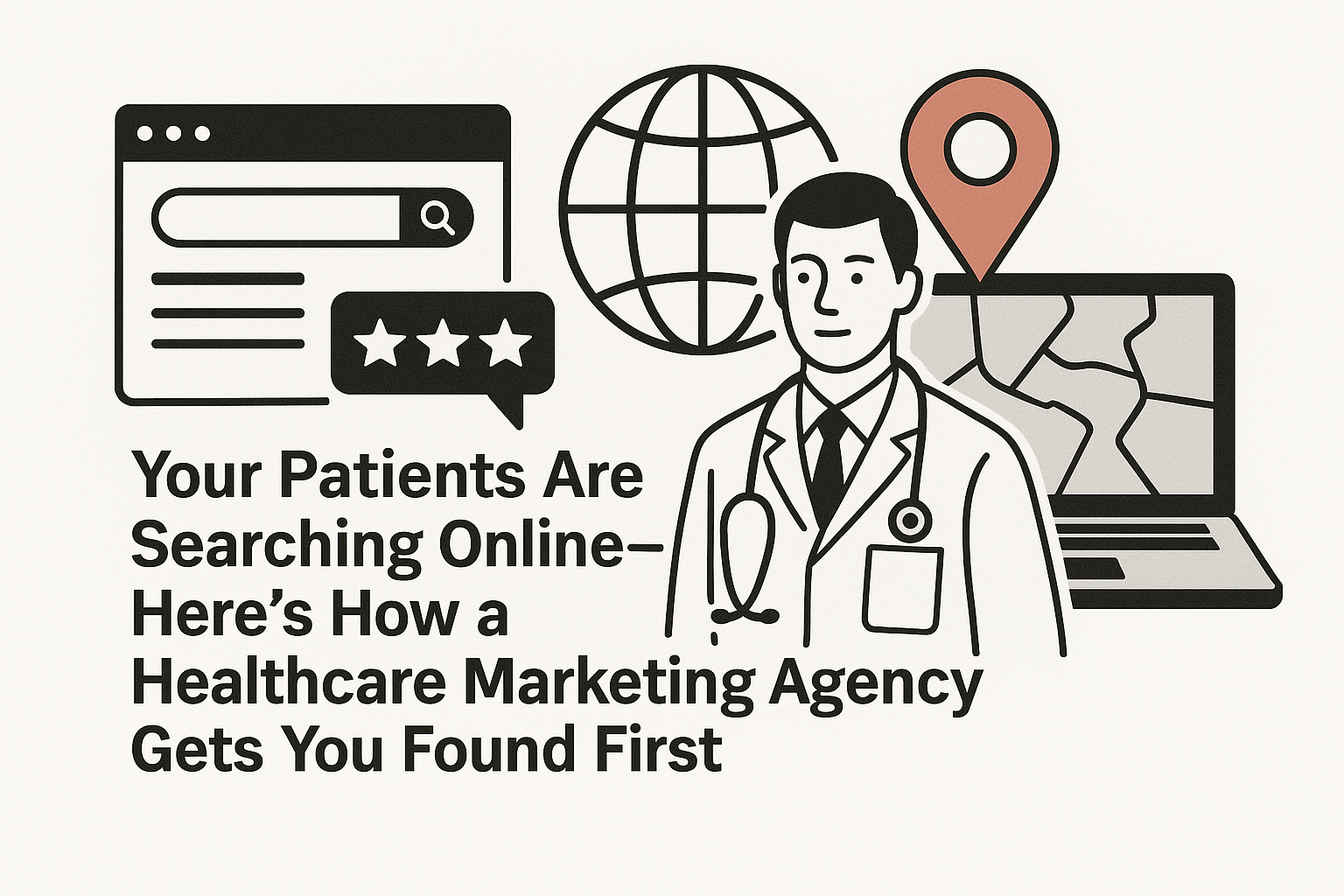
Your Patients Are Searching Online—Here’s How a Healthcare Marketing Agency Gets You Found First
The Digital Shift Reshaping Healthcare Today
The healthcare industry has changed rapidly, and patients are no longer relying on referrals alone to find providers. Instead, they are researching symptoms, comparing practices, and reading online reviews before making a decision. That means your practice must appear prominently on digital platforms if you expect to attract new patients. A healthcare marketing agency understands this shift and creates marketing strategies aligned with modern patient behavior. Without expert guidance, medical practices often fall behind competitors who already dominate search engines.
How Online Search Determines the Fate of Medical Practices
Patients rely heavily on search results when deciding who to trust with their health. A strong presence on search engines helps you reach qualified patients who are actively seeking your services. When your practice appears on the first page, you gain trust immediately. But without proper seo support, your practice risks being buried beneath competitors with stronger marketing. A healthcare marketing agency strengthens your visibility by using healthcare marketing methods built to generate measurable patient growth.
The Increasing Competition Among Healthcare Providers
Healthcare providers across the country are investing in digital marketing because they know patients expect convenience and clarity. Practices with multiple locations need even more visibility to stand out in local markets. With so many healthcare organizations expanding their digital channels, staying visible has become more challenging than ever. A healthcare digital marketing agency helps you compete by building a patient centric online strategy that appeals to new patients and existing ones. Without a structured approach, practice’s success becomes inconsistent and vulnerable.
Why Search Engines Are the Real Gatekeepers of Patient Acquisition
Search engines determine which practices patients find first. Most patients never scroll past the first page, so the priority is always visibility. Search engine optimization ensures your services appear exactly when patients need them. A healthcare marketing firm aligns your content, structure, and keywords so search engines understand your relevance. With expert guidance, you avoid the mistakes many practices make when trying to handle marketing in-house.
The Urgency Behind Effective Healthcare Marketing
Digital competition is rising faster than most medical practices can manage. As healthcare marketing becomes more technical, providers often feel overwhelmed or unsure where to begin. This hesitation results in lost patient leads that go directly to competitors. A strong healthcare marketing agency prevents that by delivering a holistic approach designed to protect your patient base. When practices delay their marketing efforts, their brand loses ground they may never recover.
Understanding the Modern Patient Journey
Today’s patient journey is driven by online research, reviews, and clear communication. Before scheduling, patients compare medical marketing, reputation management, and web design across multiple sites. To meet these expectations, healthcare marketers analyze how patients behave online. This allows a marketing agency to tailor your content marketing and paid advertising to match patient needs. A patient first approach strengthens trust and improves patient engagement.
Your Website Is Often Your First Impression
Your website acts as your digital front door and must reflect professionalism, clarity, and accessibility. When your site loads slowly or has confusing navigation, patients quickly leave. A healthcare marketing agency enhances your web design so it guides visitors naturally toward booking an appointment. Strong visuals, simple messaging, and optimized pages increase patient leads and organic traffic. Medical SEO ensures each page communicates value and meets search engine standards.
Content Marketing That Builds Trust
Educational content is a powerful tool that helps patients understand conditions, treatments, and services. A healthcare marketing strategy includes customized content that speaks directly to patient concerns. Content marketing helps build trust by positioning your practice as a helpful and knowledgeable resource. This approach supports both organic search and paid search campaigns by giving patients clear answers. A medical marketing agency uses specialized expertise to make content engaging and compliant.
Paid Advertising That Reaches Patients Fast
Paid advertising, including google ads and social ads, targets specific audiences who are ready to take action. A healthcare marketing agency monitors ad conversions to ensure your investment pays off. With proper targeting, paid search becomes a reliable driver of patient growth. When combined with strong SEO, this creates a balanced strategy that captures both immediate and long-term results. Effective marketing investments provide a dependable boost to patient volume.
How Reputation Management Influences Rankings
Online reviews play a major role in how patients choose healthcare providers. A healthcare marketing agency helps practices monitor reviews, encourage new feedback, and respond professionally. This strengthens your brand and builds credibility across digital platforms. When patients see consistent positive reviews, they feel more comfortable choosing your services. Strong reputation management also supports organic search visibility.
Building a Strong Patient Acquisition Strategy
A successful patient acquisition strategy blends SEO, advertising, content, and branding into one plan. Healthcare organizations often struggle because they try scattered tactics with no clear direction. A healthcare marketing agency unifies everything into a coordinated strategy. This ensures you reach new patients while maintaining engagement with existing ones. When your marketing works together, patient growth becomes predictable and sustainable.
The Role of Conversion Rate Optimization
Getting traffic to your website is only half the battle—your site must convert visitors into appointments. Conversion rate optimization fine-tunes forms, calls-to-action, and patient pathways so more visitors become patients. A medical marketing agency studies visitor behavior and adjusts the layout to improve performance. This helps increase revenue by maximizing every click and every opportunity. With proper optimization, even small improvements lead to meaningful results.
Healthcare Marketing Agencies Understand Compliance and Ethics
Marketing healthcare services requires careful adherence to industry regulations. A healthcare marketing agency works exclusively with healthcare clients, ensuring campaigns are compliant, ethical, and patient centric. This protects your practice’s reputation and reduces legal risks. Marketing services for medical practices must align with professional standards that general marketing agencies may not understand. This specialized expertise safeguards your practice while improving visibility.
Using Digital Platforms to Strengthen Patient Trust
Patients expect healthcare providers to offer credible, accessible information across digital platforms. A strong brand presence across social media, websites, and search engines reinforces trust. When patients repeatedly encounter your practice online, they recognize your authority. A healthcare marketing firm uses strategic messaging to highlight your experience and care. By staying visible, you position your practice as a reliable choice for new patients.
Creating a Consistent Presence Across Digital Channels
Patients move between digital channels when researching healthcare services. A healthcare marketing agency ensures consistency across your website, social media, ads, and directories. This creates a seamless experience that reflects professionalism and reliability. When patients see unified messaging across channels, they feel confident choosing your practice. Consistency makes it easier for patients to find providers they trust.
How Practice Builders Strengthen Your Long-Term Growth
Practice builders use specialized marketing tools to expand your patient base and improve your practice’s success. These tools include SEO audits, conversion tracking, reporting dashboards, and social media management. A healthcare marketing agency uses these insights to refine your marketing efforts. With accurate data, you can forecast patient growth and make informed decisions. Strong reporting dashboards give you visibility into what works and what needs improvement.
Improving Patient Engagement Through Strategic Marketing
Engaging patients online through helpful content, clear messaging, and accessible services creates stronger relationships. Patient engagement services encourage repeat visits and long-term loyalty. A patient centric approach shows patients that your practice understands their needs. Healthcare marketing enhances communication by making your services easy to understand and navigate. This long-term engagement supports consistent patient growth.
Why Traditional Advertising Is No Longer Enough
Traditional advertising still has value, but digital marketing offers more precise targeting and measurable results. A healthcare marketing agency blends both approaches to create the right blend of outreach. With digital, you know exactly where your marketing dollars go and how patients respond. This transparency helps increase revenue while reducing waste. The shift toward digital shows no sign of slowing down.
How Full Service Digital Marketing Supports Your Practice
A full service digital marketing plan helps your practice navigate everything from SEO to social media and paid advertising. A healthcare marketing agency builds strategies that align with your goals, specialties, and services. This creates a holistic approach that strengthens visibility across all digital channels. With coordinated marketing, patients find your practice faster and convert more often. This level of integration is essential for long-term healthcare success.
Using Web Design to Guide Patients Toward Action
Web design influences how patients interact with your practice online. A healthcare digital marketing agency improves layout, speed, accessibility, and clarity. These enhancements help visitors understand your services quickly. With a strategic layout, your website becomes a tool that converts patient leads into appointments. Effective web design supports the entire patient journey.
Helping Patients Find Providers More Easily
Patients rely on online searches to find providers who match their needs. A healthcare marketing agency optimizes your listings, content, and search visibility. This ensures your practice appears in local and specialty-specific searches. Improved visibility makes it easier for patients to find your office, schedule appointments, and engage with your services. Every step is designed to support measurable patient growth.
Strengthening Marketing Efforts with Expert Guidance
Marketing is a constantly evolving field, especially within healthcare. Healthcare providers often struggle to keep up while managing daily responsibilities. A healthcare marketing agency offers expert guidance that ensures your campaigns stay up to date. With ongoing support, your marketing efforts remain effective and competitive. This reduces stress and helps you focus more on patient care.
How Marketing Services Improve Your Brand Presence
Brand visibility matters. When your practice appears consistently across the internet, patients view you as credible and trustworthy. Marketing services such as SEO, content, and advertising enhance your brand’s reputation. A healthcare marketing strategy amplifies what makes your practice unique. Over time, a strong brand presence strengthens your patient base.
How Reporting Dashboards Keep Your Practice Growing
Reporting dashboards give you insight into website traffic, conversions, and patient behavior. A healthcare marketing agency provides analytics that show which campaigns drive results. This helps you plan marketing investments more effectively. With real-time data, your practice stays agile and aware of growth opportunities. Transparency empowers smarter decisions.
Supporting Multiple Locations with Scalable Strategies
Practices with multiple locations require specialized strategies that maintain consistent branding while targeting unique markets. A healthcare marketing agency develops campaigns tailored to each location. This improves your ability to attract new patients across broader geographic areas. Scalable strategies ensure no location falls behind in visibility or patient engagement.
Balancing Organic Search with Paid Search
Organic search strengthens your long-term visibility, while paid search generates immediate traffic. A healthcare marketing firm uses the right blend of both to maximize patient growth. This blended strategy ensures your practice appears across multiple search engines and advertising placements. With proper balance, you see steady growth over time.
Strengthening Patient Experience Across Every Digital Touchpoint
The patient experience begins long before the first appointment. It starts with your website, social media, and search presence. A healthcare marketing agency enhances each touchpoint so patients feel valued and understood. When patients have a positive experience online, they are more likely to become loyal clients. This patient centric approach builds trust and improves your practice’s success.
How Medical Marketing Agencies Support Long-Term Growth
A medical marketing agency creates sustainable strategies that grow with your practice. Through SEO, optimized content, and targeted ads, your visibility strengthens year after year. These long-term efforts ensure consistent patient growth. With strong digital foundations, your practice avoids the volatility seen in poorly managed marketing.
Growing Your Patient Base Through Strategic Marketing
Strategic marketing ensures that every action supports your long-term goals. A healthcare marketing agency aligns your campaigns with patient needs and search trends. This ensures your marketing works as a complete system rather than disconnected parts. With targeted messaging and strong branding, patient growth becomes predictable and measurable.
Healthcare Success Depends on Digital Visibility
Digital visibility determines how easily patients find your services. A healthcare marketing agency improves search rankings, strengthens branding, and ensures your practice stays competitive. In a crowded market, visibility is the key to attracting new patients and maintaining existing ones. With continuous improvement, your practice stays ahead of trends and patient expectations.
How Specialized Expertise Sets Healthcare Agencies Apart
Healthcare marketing requires specialized expertise in medical terminology, compliance, and patient behavior. A healthcare digital marketing agency brings this knowledge to every campaign. This ensures accuracy, credibility, and effectiveness in every aspect of your marketing. Specialized agencies understand the unique challenges medical practices face, making them stronger partners than general marketing teams.
How Practices Increase Revenue with Targeted Marketing
Revenue increases when the right patients find your practice at the right time. A healthcare marketing agency uses targeted SEO and advertising to reach patients seeking your services. This reduces wasted marketing spending and improves conversion rates. When your visibility increases, your revenue follows.
Creating a Patient Centric Brand That Inspires Trust
Patients want to feel understood and supported, and your brand should reflect that. A healthcare marketing firm builds messaging that speaks directly to patient concerns. This creates emotional connection and reinforces trust. A patient centric brand helps patients feel confident choosing your services over competitors.
How Marketing Agencies Turn Patient Leads Into Loyal Patients
Attracting patient leads is only the beginning. A healthcare marketing agency ensures those leads turn into appointments and long-term relationships. Through consistent communication, clear messaging, and helpful resources, your practice stays top-of-mind. This increases repeat visits and long-lasting loyalty.
Why Healthcare Organizations Rely on Professional Agencies
Healthcare organizations face constant pressure to compete, improve patient experience, and maintain strong visibility. A medical marketing agency helps them meet these goals. By offering a holistic approach to digital marketing, agencies reduce the burden on internal teams. This partnership strengthens the entire patient journey from first click to follow-up care.
Using Social Media to Deepen Engagement
Social media helps humanize your practice and build connection with patients. A healthcare marketing agency creates engaging content that educates, informs, and reassures your audience. Strategic social media strengthens your brand and expands your digital reach. When patients feel connected to your practice, they trust your expertise more deeply.
How Healthcare Marketing Agencies Drive Measurable Patient Growth
Through SEO, advertising, and strategic content, agencies deliver measurable patient growth. Each campaign is monitored and refined to ensure peak performance. A healthcare marketing agency tracks key metrics such as patient leads, website conversions, and engagement. This data-driven approach supports healthier, more sustainable growth.
Connect with a Healthcare Marketing Agency That Puts Your Patients First
If your practice is struggling to stay visible online or unsure how to compete in an increasingly digital market,
Masterly Tech Group is here to help. As a healthcare marketing agency dedicated to helping medical practices grow, we offer expert guidance that strengthens your brand, improves your online reach, and generates new patients consistently. Our team understands the challenges healthcare providers face, and we’re committed to helping you build strong visibility across every digital platform you rely on. Reach out today for a free consultation so we can discuss how to improve your marketing, grow your patient base, and support your long-term healthcare success.
Contact us at
(888) 209-4055 to book a free consultation.