Customer Lifecycle: Mapping Awareness Through Referral
Many service businesses focus on winning new clients without defining what should happen before or after the sale. The customer lifecycle is that full relationship: from initial awareness and inquiry through purchase, service, retention, and referral.
Marketing generates interest. A prospect completes a form. Sales follows up. Operations begins the work. Once the service ends, communication may stop unless the client contacts the company again.
These activities may sit across marketing, sales, operations, and client-service teams without a shared customer lifecycle or clear ownership.
The result is often an inconsistent experience and weaker decisions. Qualified prospects may receive late responses. New clients may enter unclear onboarding or a poor sales-to-service handoff. Existing clients may miss renewal opportunities. Satisfied customers may never be invited to return or refer someone else, and disconnected CRM stages and data make follow-up, retention, and reporting harder to manage.
Masterly Tech helps service businesses, professional firms, and growing organizations define how people should move from awareness to inquiry, client status, retention, and referral. Our done-for-you customer lifecycle services connect marketing to referral, align stages, ownership, communication, data, and CRM records, and make the full relationship easier to manage and improve.
Growth Becomes Harder When Customer Lifecycle Management Is Unclear
A business can attract strong interest and still lose opportunities between stages.
Marketing may consider its work complete after a form submission. Sales may assume every new lead is ready for contact. Operations may not receive the information gathered during the sales process. Client-service teams may not know when an engagement is ending or whether another service is appropriate.
Each team may be completing its assigned work, but the customer experiences the full process as one relationship.
Gaps between teams can create delayed follow-up, repeated questions, unclear expectations, or missed communication. These problems can affect trust even when the core service is strong.
A defined customer lifecycle gives the organization a shared view of how the relationship develops. It identifies what each stage means, which team owns it, what information should be available, and what action should occur next.
Customer Lifecycle Stages Should Match the Business
The customer lifecycle stages used by a professional firm should reflect how people actually choose, purchase, receive, and continue its services.
A typical lifecycle may include:
- Awareness
- Interest
- Inquiry
- Qualification
- Consultation
- Decision
- Onboarding
- Active service
- Completion
- Retention
- Referral
Not every business needs the same labels or number of stages.
A company with short service engagements may move quickly from inquiry to purchase. A professional firm with a longer decision process may require consultation, proposal, approval, and agreement stages. An organization with recurring services may need renewal, expansion, or account-review stages.
Masterly Tech works with stakeholders to define lifecycle stages that fit the actual business. This prevents the CRM and other systems from being built around a generic model that employees do not use consistently.
Awareness Should Lead to a Relevant Next Step
The lifecycle begins before a prospect contacts the business.
People may discover the company through search, paid advertising, social media, referrals, articles, events, or direct outreach. The message that creates awareness should connect with a relevant next step.
A visitor reading an article may need a related service page. A referred prospect may want to confirm the company’s credibility. Someone responding to an advertisement may expect a focused offer or consultation page.
Problems appear when these entry points lead to general pages that do not continue the conversation. Interested visitors may not understand which service fits or how to move forward.
Masterly Tech reviews how key traffic sources connect with website pages, calls to action, forms, and scheduling options. This helps the awareness stage support a clearer movement toward inquiry.
Inquiry and Qualification Need Clear Ownership
An inquiry creates an expectation that the business will respond.
If no one clearly owns the response, qualified prospects can wait while teams decide who should contact them. Other inquiries may be sent to the wrong employee because the form did not collect enough information.
A defined lifecycle clarifies what counts as an inquiry, how quickly it should be reviewed, and what information is needed to decide whether the opportunity fits.
The qualification process should also distinguish between people who are ready for a conversation and those who need more information. Clear communication of value during consideration helps build trust before the next conversation. Not every prospect should receive the same response.
Masterly Tech helps organizations connect forms, inboxes, scheduling tools, notifications, and CRM records so inquiries move into a clear process. We also help define responsibility for reviewing and advancing each record.
The Sales-to-Service Handoff Protects Customer Relationships and Trust
A prospect may share important goals, concerns, deadlines, and expectations during the sales process. If those details do not reach the service team, the new client may have to start over.
This can weaken confidence immediately after the decision to hire.
The handoff should carry the information needed for onboarding and delivery. It should also confirm that the agreement, payment, documents, contacts, and internal assignments are ready.
Masterly Tech reviews how a new client moves from sales to operations. We identify which data should follow the account, which employee owns the transition, and which internal actions should be completed before onboarding begins.
A stronger handoff helps the service team begin with context and gives the client a more consistent experience.
The Client Lifecycle Continues Through Service Delivery
The client lifecycle does not pause after onboarding.
Service delivery includes important moments that can shape retention. Clients may need progress updates, requests for information, milestone notices, meeting reminders, approvals, or clear explanations of what happens next.
When these communications depend only on employee memory, the experience may vary across accounts.
One client may receive frequent updates while another hears from the company only after asking. Important information may remain inside a private email account. Managers may not know that communication has stopped.
Masterly Tech helps organizations identify the key service stages that systems should support. We review where internal status changes should trigger tasks, notifications, client messages, or manager visibility.
Technology should support the relationship without making it feel impersonal. Some messages may be suitable for automation, while others require direct attention from the responsible employee to deliver personalized interactions, personal support, and the level of personalization needed for the individual customer. Done well, this strengthens customer relationships, and personalized follow-ups can significantly improve customer retention.
Completion Should Be a Defined Stage
The end of a service engagement is often treated as an administrative event rather than an important part of the relationship.
A final deliverable is sent, an invoice is closed, and the account becomes inactive. The client may not receive a clear completion message or understand whether support remains available.
This can leave a strong engagement with an unclear ending.
A defined completion stage may include confirming what was delivered, identifying outstanding items, providing final resources, explaining future support, and documenting the outcome internally. Where the service model allows, post-purchase email campaigns or other follow-up communication after completion can support repeat purchases.
Masterly Tech helps businesses decide what information and communication should accompany completion. We also review whether the CRM and service systems reflect the correct status so future communication remains relevant.
A Customer Retention Journey Requires Continued Attention
Retention is not limited to selling the same service again.
A customer retention journey considers how the business maintains a useful relationship after the first engagement. In customer lifecycle management, retention helps retain customers through continued support and relevance, while customer loyalty is what develops when people keep choosing the same brand because they see ongoing value. Depending on the service, this may include follow-up, account reviews, renewal reminders, education, related services, or periodic communication that supports long-term relationships and long term success.
The approach should fit the client’s needs and the nature of the relationship. Personalized customer journeys can improve customer satisfaction, loyalty, and brand reputation over time.
Too much communication can feel unnecessary. Too little can cause the company to disappear from the client’s mind. Messages that ignore previous service history can make the relationship feel impersonal.
Masterly Tech helps organizations define how retention should appear within the larger lifecycle. We examine the timing, data, ownership, and systems needed to keep communication appropriate and consistent. Effective customer lifecycle management also supports customer loyalty, and loyalty is when customers become advocates for your brand. Where relevant, loyalty programs can increase customer retention by 5–10%.
Referrals Should Not Depend on Chance
Satisfied clients can become valuable referral sources, but many businesses do not define when or how to invite referrals.
Employees may feel uncomfortable asking. The company may send a broad referral request at the wrong time. Some clients may never be contacted again after successful completion.
A referral stage should be connected to the client’s actual experience.
The business may identify appropriate moments after a positive result, successful milestone, renewal, or favorable feedback. The request should remain professional and consistent with the relationship.
Masterly Tech can help define how referral opportunities should be recorded, assigned, and followed. We also review how referred prospects enter the lifecycle so the referring client receives an appropriate acknowledgment.
CRM Software Stages Should Reflect Real Work
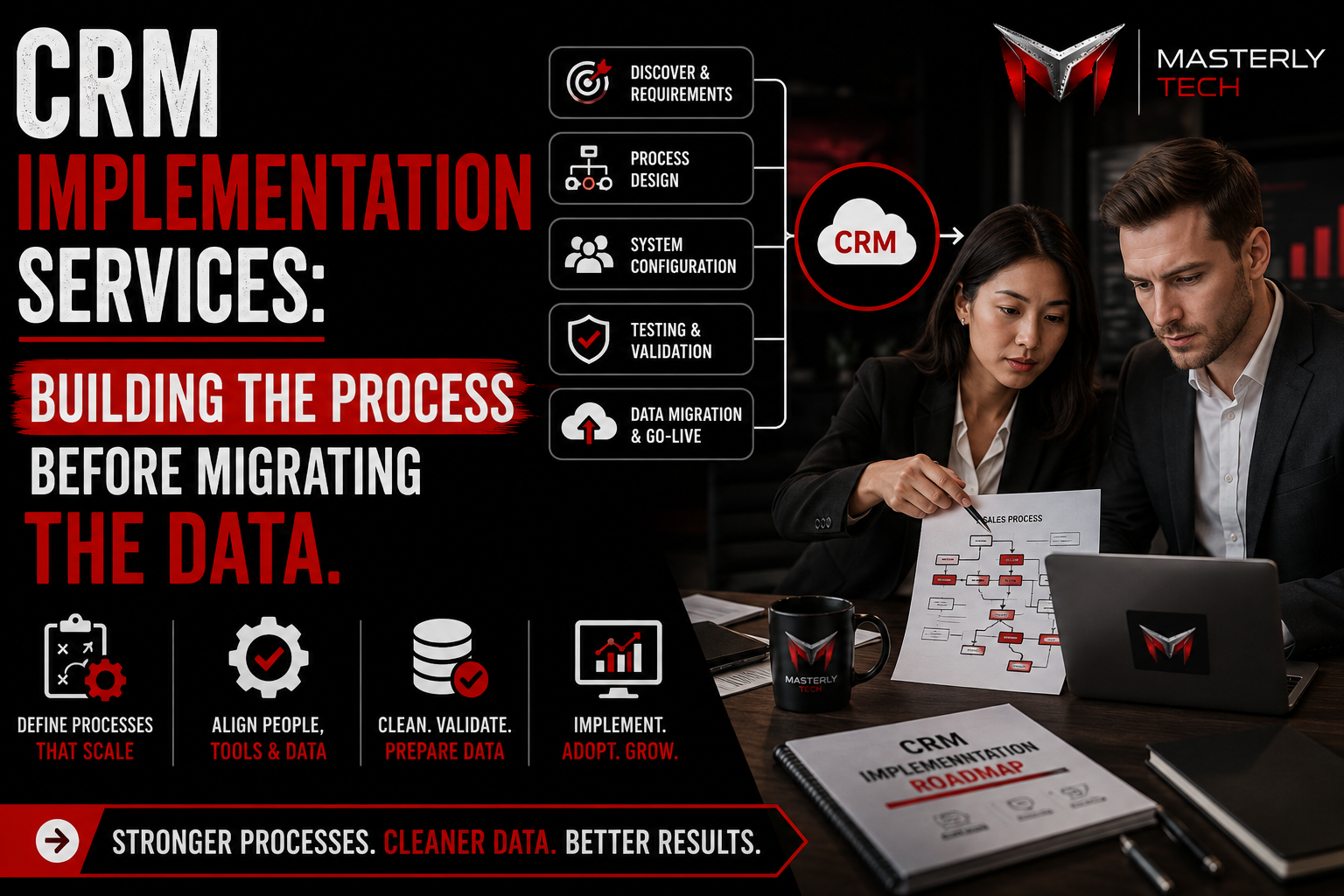
A CRM is more useful when its stages match the way the business operates.
Generic labels may not provide enough detail for teams to understand what has happened or what should occur next. Too many stages can create confusion and inconsistent updates. Too few can hide important gaps.
Each stage should have a clear meaning.
Employees should know what must be true before a record enters a stage, who owns the next action, and which information is required. Leaders should also be able to see where prospects or clients are slowing down.
Masterly Tech reviews CRM stages in relation to the complete customer lifecycle. We identify where stage definitions, fields, ownership, and workflows may need greater clarity.
Lifecycle Data Should Support Customer Lifetime Value Decisions
A mapped lifecycle gives leaders a better way to decide what information matters.
The business may need to understand how prospects enter the pipeline, how long they remain in each stage, where qualified opportunities stop moving, how many clients complete onboarding, or which accounts may be ready for renewal. Key lifecycle metrics often include customer satisfaction, Net Promoter Score, and Customer Lifetime Value.
These questions depend on accurate and consistent stage data. Measuring customer health and feedback continuously is also important for managing the customer lifecycle effectively.
If employees use different definitions or fail to update records, reports can create a misleading picture. Automation may also send the wrong communication because the system does not reflect the true status.
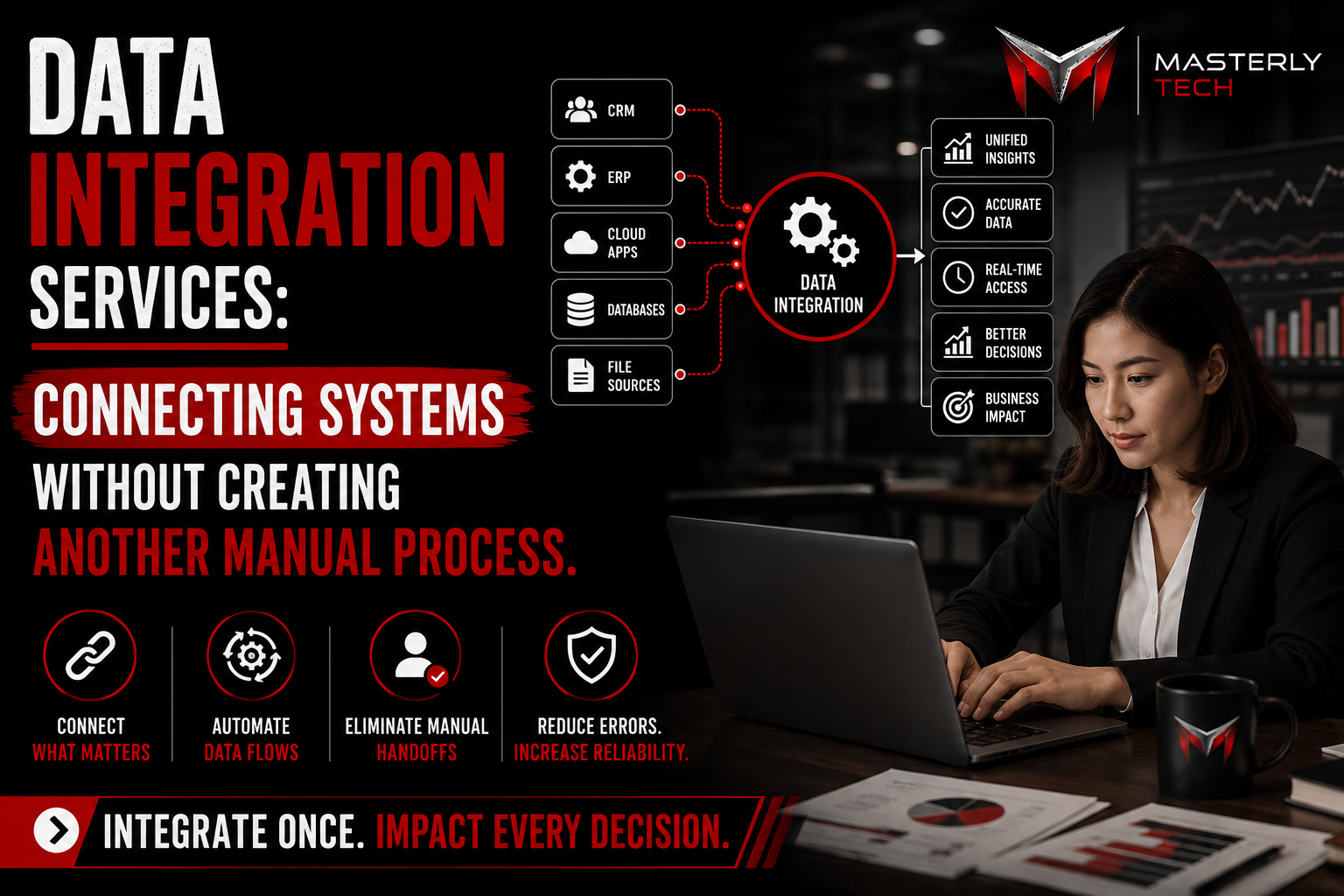
Masterly Tech helps organizations identify the lifecycle data required for decision-making. We also clarify whether crm software, customer data platforms, or other analytics tools should store the needed information and create accurate customer profiles, and who is responsible for maintaining it.
Done-for-You Customer Lifecycle Services
Masterly Tech provides done-for-you customer lifecycle services for organizations that need a clearer connection between marketing, sales, onboarding, service, retention, and referral.
We begin by learning how prospects and clients currently move through the business. We review the people, systems, data, messages, and handoffs involved at each stage, including how customer data and lifecycle management support personalization so teams can apply consistent practices, strengthen engagement, reduce churn, and grow revenue.
Depending on the engagement, our services may include:
- Mapping the current lifecycle
- Defining customer lifecycle stages
- Clarifying stage entry and exit criteria
- Identifying ownership across teams
- Reviewing forms, scheduling, and intake
- Examining lead qualification and follow-up
- Mapping sales-to-service handoffs
- Reviewing onboarding and active-service stages
- Clarifying completion and retention processes
- Identifying referral opportunities
- Reviewing CRM stages, fields, and statuses across crm systems and related platforms to help create accurate customer profiles for personalization
- Identifying appropriate automation
- Finding reporting and data gaps, including dynamic personalization at scale so teams can optimize messaging based on analytics; where the right solution is in place, AI and machine learning can refine recommendations over time
- Creating a prioritized systems roadmap with strategies that support a practical advantage
The final recommendations are based on the organization’s services, client relationships, team structure, and current technology.
Our goal is to create a lifecycle that employees can understand and systems can support.
Why Customer Lifecycle Management Is Important for Growth
Customer lifecycle management is important because it helps marketing and sales teams understand customer behavior across different stages, from turning interest among potential customers into acquisition and supporting existing customers after the sale. A connected system, such as Zoho CRM or another suitable platform, can help manage customer data through a single source, segment customers, identify friction points, and guide customers according to their needs and expectations. Strong CLM management also gives users clearer records for serving new customers, controlling acquisition costs, and reducing the risk of missed follow-up or inconsistent communication.

Frequently Asked Questions About the Customer Lifecycle
What is the customer lifecycle?
The customer lifecycle is the full relationship from initial awareness through inquiry, purchase, service, retention, and referral. It is often explained through the five stages or other key stages used to map the customer journey across the entire lifecycle. Customer lifecycle management is the process of managing that relationship from awareness through loyalty and referral, and when done well it enhances customer satisfaction and loyalty.
What are customer lifecycle stages?
Customer lifecycle stages are the defined steps a person or account moves through during the relationship with a business. The stages of the customer often include awareness, consideration, the conversion stage, retention, and referral or advocacy; consideration is when prospects actively research your offerings, compare alternatives, and evaluate the path a customer takes before buying.
What is a client lifecycle?
A client lifecycle applies lifecycle planning to professional-service relationships, including intake, onboarding, delivery, completion, and continued engagement.
What is a customer retention journey?
A customer retention journey defines how the business supports the relationship after the first purchase or service engagement.
Why should CRM stages match the customer lifecycle?
Matching stages helps employees track progress, assign ownership, trigger appropriate actions, and create more useful reports.
Can Masterly Tech review our existing CRM?
Yes. Masterly Tech can review stages, fields, ownership, workflows, and reporting in relation to the actual lifecycle.
Does lifecycle planning include automation?
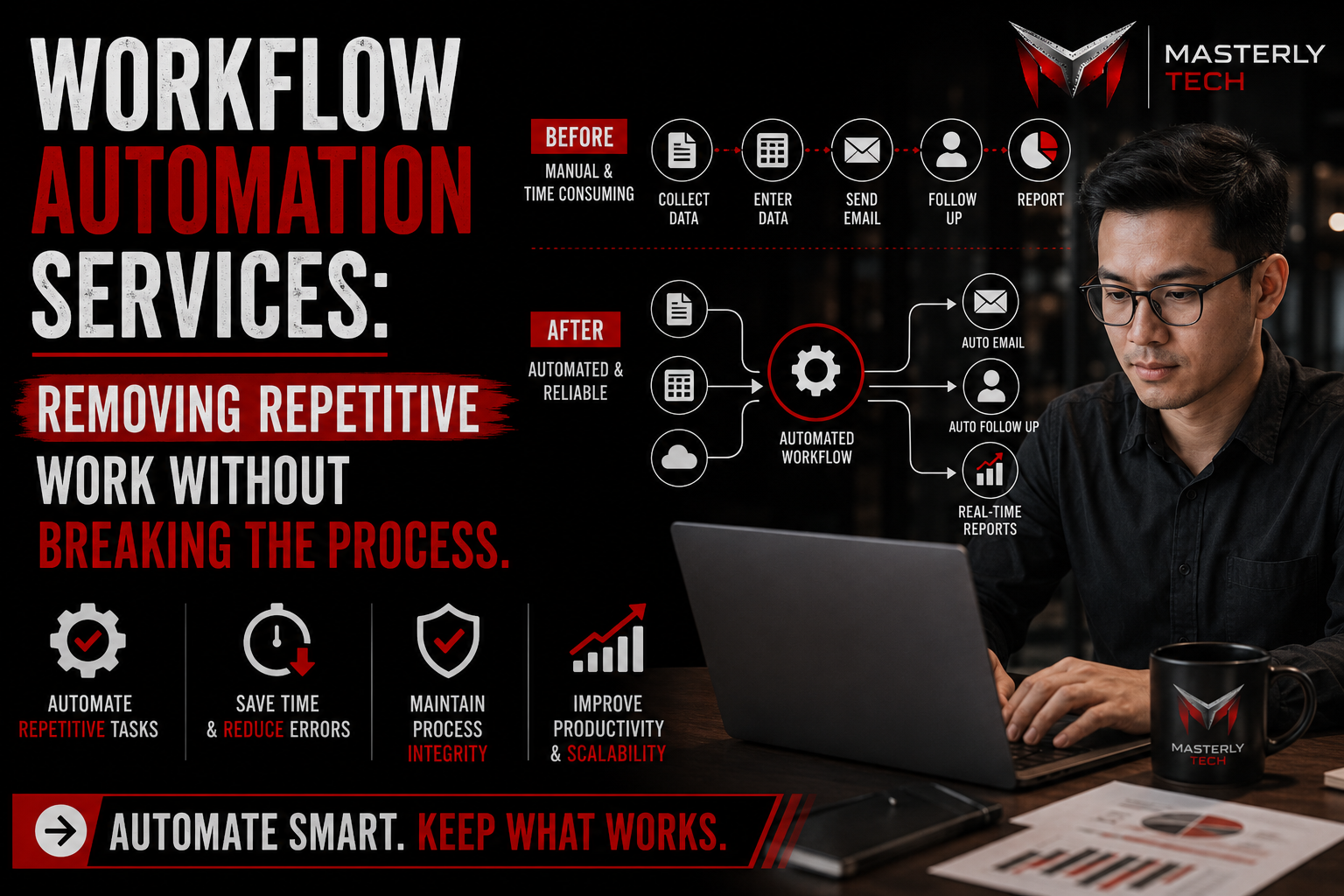
It can. Automation may support notifications, routine messages, record updates, tasks, and follow-up when appropriate.
Can the lifecycle include referrals?
Yes. Referral can be defined as a stage with appropriate timing, ownership, communication, and tracking.
Do we need new software?
Not necessarily. A review may identify ways to improve current systems before adding or replacing technology.
Request a Lifecycle and CRM Review to Map the Stages Your Systems Should Support
Masterly Tech can map your customer lifecycle from awareness through inquiry, onboarding, service, retention, and referral. We can also review whether your CRM, forms, communication, data, and automation support each stage.
Visit Masterly Tech or call (888) 209-4055 to request a client lifecycle and customer retention journey review.