What a Professional Website Maintenance Plan Should Cover
Your website works around the clock, even when your team doesn't. For growing businesses that depend on their site for leads, orders, and client trust, a professional website maintenance plan is what keeps that engine running. Here's what it should cover and why it matters.
Website Maintenance Services: Answering What You Need, Up Front
If you're evaluating website maintenance services for the first time-or replacing a provider who disappeared-this is the short answer to what a serious plan includes.
Every professional maintenance plan should cover these core elements:
- Software updates - CMS core, themes, and plugin updates applied on a regular basis to prevent vulnerabilities.
- Security monitoring - firewalls, malware scanning, and login protection to keep your site secure.
- Regular backups - automated and stored offsite so you can recover quickly from any failure.
- Uptime monitoring - 24/7 checks on your site and critical endpoints like checkout or contact forms.
- Site speed optimization - performance checks that help maintain website speed and functionality.
- Content updates - keeping service descriptions, pricing, team pages, and legal notices current for users.
- Form and conversion testing - verifying that quote requests, checkout flows, and lead forms actually work.
Website maintenance includes software updates and security monitoring as baseline expectations. Regular backups are part of website maintenance services at every tier. Content updates are often included in maintenance packages because outdated information costs you credibility and customers.
These services matter most for businesses that rely on their website for leads, ecommerce orders, account access, or bookings-B2B firms, professional services, and online stores.
Maintenance is an ongoing service with a monthly or quarterly cadence. It is not a one-time repair or redesign. This article is written from the perspective of a specialist maintenance company focused on long-term support and risk reduction.
Ready to see where your site stands? Request a website maintenance assessment to get a risk review, performance snapshot, and prioritized recommendations.
What Website Maintenance Really Is (and What It Isn't)
Many businesses still confuse website maintenance services with random fixes or occasional redesigns. In 2025 and 2026, that misunderstanding is one of the most common reasons sites break at the worst possible time. Ongoing website maintenance and website support services are systematic, proactive, and scheduled-not reactive.
Here's what maintenance is not:
- A one-time web design or rebuild project
- A "set it and forget it" launch where nobody touches the site again
- Purely reactive emergency fixes when something visibly breaks
A professional website maintenance plan focuses on stability, security updates, performance, analytics health, and alignment with your business goals. It does not mean unlimited work or free support without boundaries.
A maintained professional website supports the marketing and sales systems your team depends on-contact forms, chat tools, quote requests, product catalog accuracy, and lead flows tied to CRM tools. When those systems break silently, you lose revenue without realizing it. Ongoing maintenance prevents website issues before they affect business operations.
Neglected sites accumulate risk fast. Outdated plugins, untested forms, expired SSL certificates, and broken analytics create fragile, unpredictable behavior. Shopify's own maintenance guidance warns that without frequent updates and monitoring, security vulnerabilities and SEO decline happen quietly. Website maintenance ensures your site remains functional and up-to-date, and content updates keep website information current for users who are evaluating whether to trust you.
Risks of Neglecting Business Website Maintenance
This section isn't a list of vague warnings. These are scenarios that play out regularly for businesses that skip business website maintenance.
Revenue and lead loss:
- A contact form stops sending email notifications after a plugin update-nobody notices for three weeks, and dozens of potential customers never hear back.
- Checkout errors caused by a payment gateway change lead to abandoned carts during peak sales.
- Quote requests get misrouted after a CRM integration update, and your sales team never sees them.
Brand and reputation damage:
- A hacked homepage replaced with spam content signals to every visitor that your business can't be trusted.
- An expired SSL certificate triggers browser "Not Secure" warnings that drive new clients away.
- Outdated information-2023 office hours or 2022 pricing still showing in 2026-makes the company look stagnant.
SEO and paid campaign performance:
- A slow website frustrates visitors and increases bounce rates, directly hurting search engine rankings. Search engines penalize sluggish, unreliable sites.
- Deleted landing pages used in Google Ads campaigns return 404 errors, wasting ad spend.
- Broken tracking pixels mean your marketing team can't optimize campaigns.
Security and compliance risk:
WordPress plugin vulnerabilities widely reported between 2023 and 2025 were exploited at scale. Regular software updates help prevent hacks, malware, and data breaches. Outdated websites are more vulnerable to security threats, and missing patches can violate GDPR or PCI-DSS obligations, putting customer data at risk.
According to the Uptime Institute's 2026 outage report, 57% of organizations experiencing a major outage reported costs exceeding $100,000, and 20% lost over $1 million. Website maintenance is crucial for small businesses to avoid costly issues like these. One anonymized example: an ecommerce company's checkout broke for 36 hours during Black Friday 2025 because nobody had tested it after a platform update. The emergency recovery cost dwarfed what a year of proactive maintenance would have run.
Core Components of Professional Website Maintenance Services
Think of this as the checklist for evaluating any serious maintenance company. Common website maintenance tasks include security updates and performance optimization, but the details matter.
- Software updates: CMS core, theme, and plugin/module updates for platforms like WordPress, Shopify, or Magento. Updates should be applied in a staging environment first, tested, then deployed to production with rollback options ready. Regular updates improve website security and performance across the board.
- Security monitoring and security updates: Firewall rules, scheduled malware scans, login protection, CAPTCHA, and 2FA recommendations. Providers should monitor security advisories for critical vulnerabilities as they're announced-not weeks later.
- Backups and recovery: Daily or hourly backups depending on site criticality. Routine backups ensure quick restoration in case of server failure. Offsite storage, documented restore procedures, and periodic recovery tests are non-negotiable. Website maintenance services typically include backups and security monitoring as standard.
- Site speed and performance optimization: Regular Core Web Vitals checks (LCP, CLS, INP), image compression, caching, database cleanups, and CDN considerations. Regular updates improve website security and performance simultaneously.
- Uptime monitoring and incident response: 24/7 monitoring tools with SMS and email alerts. Defined escalation paths and response SLAs during business-critical hours. Monitoring reduces downtime by catching potential issues early.
- Functionality and conversion-path checks: Monthly or quarterly testing of key forms, checkout flows, logins, and user journeys. Fixing broken links and resolving browser- or device-specific technical issues.
- Content updates and brand accuracy: Text and image edits, adding new landing pages, updating PDFs, FAQs, and team pages. Ensuring pricing, product specs, service areas, and opening hours are current for 2024–2026. E-commerce sites require specialized maintenance to ensure functionality across payment, shipping, and catalog systems.

Security, Backups, and Uptime: Protecting Your Site 24/7
This is the "protect and prevent" layer of ongoing website maintenance. If you're a business owner or marketing leader, this is where small issues get caught before they become expensive ones.
Security monitoring setup:
- Web application firewalls filtering malicious traffic
- Scheduled malware scans and login attempt throttling
- IP blocking for repeat offenders
- Monitoring admin accounts and enforcing strong-password and 2FA policies to keep your site secure
Modern backup strategy:
- Brochure sites: daily backups with 30-day retention
- Busy ecommerce in 2026: incremental backups every 15–60 minutes, full daily backups, 30–90 day retention
- Geographic redundancy (local plus cloud/offsite storage)
- Quarterly restore tests to confirm backups actually work
Uptime monitoring:
- Tools that ping the site and key endpoints-checkout, login, API connections-around the clock
- Multi-region checks to catch localized outages
- Targets of 99.9% uptime for most business sites, higher for revenue-critical platforms
Coordinated incident response:
- Clear escalation: who gets notified (internal team plus maintenance company), step-by-step triage, resolution, and post-incident review
- Hardening after every incident to prevent recurrence
Regular updates reduce the risk of downtime and security issues when applied consistently.
In early 2024, a mid-sized ecommerce site detected abnormal login attempts through its monitoring tools. Login protection and rate-limiting blocked a credential-stuffing attack. Backup snapshots were ready for rollback if needed. No customer data was exposed-because the security layer was already in place, not bolted on after a breach. According to Bitdefender's 2024 report, roughly 1 in 4 consumers experienced a security incident in the past year, often due to weak passwords, dated software, or misconfiguration.

Performance, Site Speed, and Technical SEO Inside Maintenance
In 2026, site speed and technical SEO are ranking factors, conversion factors, and user experience factors rolled into one. The industry trend is clear: "slow is the new down." Even if your site is technically up, sluggish load times and janky interactions cost you more than brief outages.
Performance optimization tasks:
- Image compression and next-gen formats (WebP, AVIF)
- Minimizing and deferring CSS/JS, leveraging HTTP/2 or HTTP/3
- Caching strategy at browser, page, and CDN levels
- Database cleanups to reduce query overhead
Core Web Vitals:
- LCP (Largest Contentful Paint) should be ≤2.5 seconds; INP measures real interaction responsiveness
- These metrics directly affect Google visibility and user satisfaction
- Monthly maintenance cycles should include practical checks and adjustments
Search engines favor websites that are fast, secure, and frequently updated. Website maintenance can improve SEO by fixing technical issues that silently hurt rankings. Regular performance checks help maintain website speed across mobile devices and desktop alike. Maintained websites improve user experience by being fast and responsive.
Technical SEO housekeeping:
- Monitoring for accidental noindex tags, canonical issues, and broken XML sitemaps
- Fixing 404s, redirect chains, and HTTPS mixed-content problems
- Ongoing maintenance helps improve search engine rankings, and website maintenance can enhance search engine rankings over time
Campaign readiness:
Before ad spend goes live, landing pages for 2026 campaigns must load fast, track properly, and be mobile-optimized. A dedicated performance report in monthly maintenance summaries-showing before/after speed metrics, top issues resolved, and impact on bounce rate-gives your marketing team the data they need to make better digital marketing decisions.
Content Updates, UX Checks, and Conversion Path Maintenance
A professional website is never "done." Beyond the technical layer, ongoing website maintenance must cover the content and conversion experience that shapes how potential customers perceive your business.
Routine content updates:
- New services, case studies from 2024–2025, leadership changes, legal disclaimers, seasonal offers
- Updated visuals, blog posts, and downloadable resources for accuracy
- An updated website fosters brand credibility with users who are comparing you to competitors
UX checks:
- Periodic reviews of navigation, search, menus, and mobile layout across mobile devices
- Analyzing high-exit pages from recent analytics data to identify friction points and high bounce rates
- Ensuring the site stays user friendly as content and features evolve
Form and funnel testing:
- Regular test submissions of contact forms, newsletter sign-ups, quote requests, and checkouts
- Verifying email notifications, CRM and marketing automation integrations, and confirmation pages work end-to-end
- A well-maintained website enhances user experience and conversion rates
Aligning digital marketing and maintenance:
- New landing pages for PPC or email campaigns should be fully tested before launch
- Quick turnaround on copy or layout tweaks based on performance insights supports your digital presence
Accessibility improvements:
- Checking contrast ratios, alt text, and keyboard navigation during regular maintenance cycles improves usability and compliance
One professional services firm discovered during a maintenance review that its contact form confirmation page lacked an email notification to clients. Submissions came through, but prospects never received acknowledgement. Fixing that single issue increased lead follow-ups by roughly 20% within two months-proof that small issues in conversion paths can have outsized impact on sales.
Selecting a Website Maintenance Company and Support Plan
If you've been burned by a freelancer who disappeared or a vague "support" promise that never materialized, choosing your next maintenance company deserves careful evaluation.
Criteria that matter:
- Clarity of scope-what's included and what's not
- Documented response times and SLAs
- Extensive experience with your specific CMS (WordPress, Shopify, Magento, custom builds)
- Proven security posture and backup standards
- Clear communication and reliable follow through on commitments
Types of maintenance plans:
- Retainer-based: Fixed monthly hours or predefined deliverables-predictable cost and coverage
- Ticket-based/on-demand: Work ordered as needed, with defined minimums
- Risk-based tiers: Basic plans for simple brochure sites, premium for revenue-critical ecommerce
Red flags to watch for:
- "Unlimited work" marketing language without clear limits
- Free support with no SLA
- One-time "tune-ups" presented as substitutes for ongoing maintenance
Evaluate communication style. A single point of contact beats rotating ticket handlers. Proactive monthly reporting-not silence until something breaks-signals a dedicated, professional provider.
Questions to ask when interviewing providers:
- How often do you test restores from backups?
- What happens if a plugin update breaks my checkout?
- What security monitoring tools do you use, and what's your incident response process?
- How do you scope performance reviews of landing pages before campaigns go live?
- What is your SLA for critical issues during business hours vs. off hours?
Rather than choosing based on price alone, request a tailored website maintenance assessment. It gives you visibility into risk, a performance baseline, and recommendations matched to your specific needs and business stage.
How a Structured Website Maintenance Plan Works Month to Month
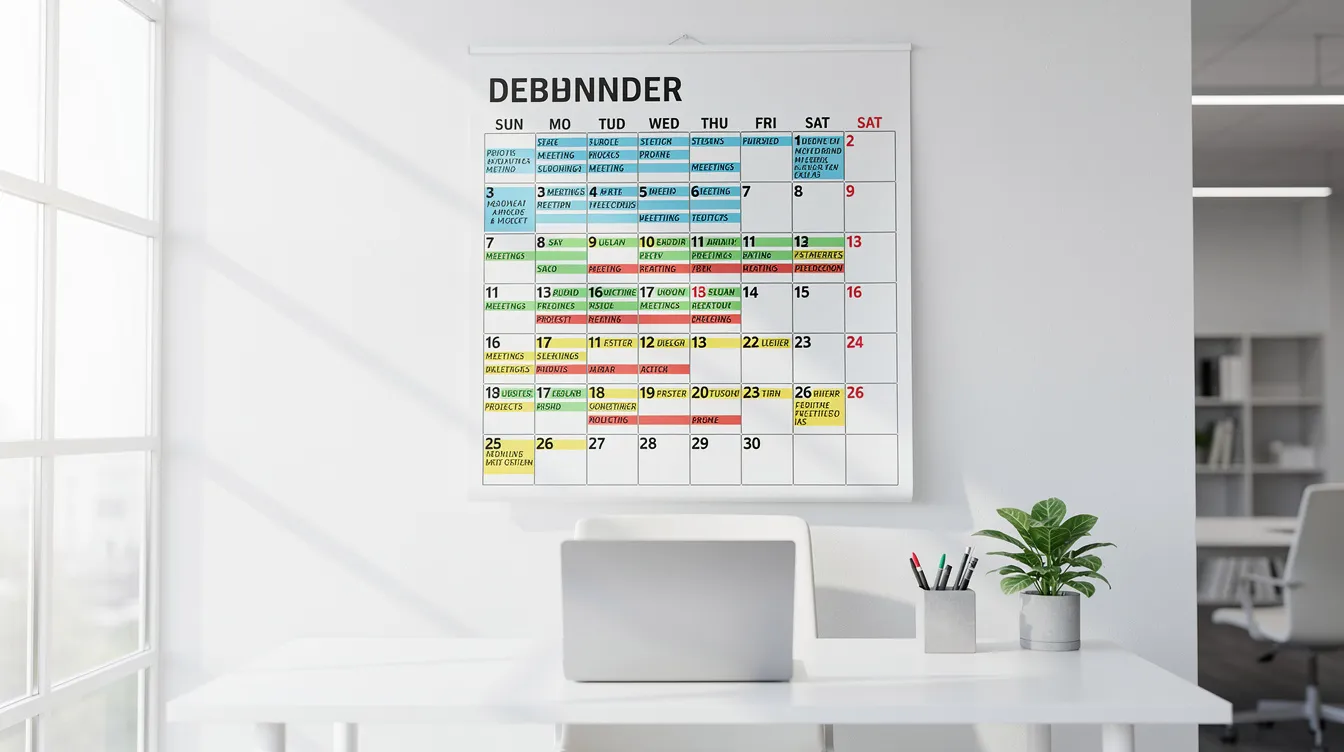
Knowing what's included is one thing. Knowing how it actually runs, week by week, is what builds confidence. Here's a typical monthly cadence:
- Week 1: Review monitoring alerts, security advisories, and performance metrics. Prioritize updates and tasks.
- Week 2: Apply software updates (CMS core, themes, plugins) in staging. Test. Deploy to production with rollback ready.
- Week 3: Run performance checks, technical SEO review, and form/funnel testing. Fix broken links or errors.
- Week 4: Compile and send a concise maintenance report-change log, backup confirmations, incident summaries, security and performance snapshots, and recommendations for next month.
What clients should expect as deliverables:
- Change logs of every update and bug fixes applied
- Backup confirmations with dates and storage location
- Incident summaries (if any) with resolution details
- Performance and security snapshots
Ad-hoc requests like content edits, landing page launches, or support tickets from your internal team fit into the cycle based on urgency-typically handled early-week or mid-month.
Quarterly or biannual extras include larger plugin audits, accessibility reviews, and analytics housekeeping (for example, GA4 configuration updates introduced between 2023 and 2025 that still need attention).
The best providers act as an extension of your marketing and operations team-not just IT. They help prioritize what to fix or improve next based on your business goals, helping you stay ahead of website problems rather than constantly reacting.
Is Website Maintenance Worth It? ROI, Risk Reduction, and Next Steps
Ongoing website maintenance services reduce risk, protect revenue, and support growth more affordably than constant firefighting. Preventive maintenance is typically more cost-effective than fixing major issues later.
The math is straightforward:
- Monthly maintenance plans provide consistent support for established businesses at a fraction of what a single major outage costs
- The Uptime Institute reports that most major outages exceed $100,000 in damages-a figure that dwarfs years of proactive maintenance investment
- The global website maintenance services market is projected to grow from roughly $1.5 billion in 2023 to nearly $3 billion by 2030, reflecting how seriously businesses now take this
Beyond the numbers:
- Peace of mind for leadership-fewer 2 a.m. emergencies
- A reliable, secure foundation for digital marketing campaigns launching through late 2025 and 2026
- Your team can focus on growth instead of firefighting website problems
Audit your current situation:
- When was the last time you ran a complete backup restore test?
- When did you last update all plugins, themes, and CMS core?
- When were your forms and checkouts last manually tested across browsers and mobile devices?
Websites need regular maintenance to function reliably and support business goals. If you can't confidently answer those questions, it's time for a reset.
Request a website maintenance assessment. You'll get a quick risk review, a performance snapshot against industry benchmarks, prioritized recommendations, and a suggested maintenance plan level matched to your company's needs. It's the first step toward treating your website as the dedicated business asset it is-not an afterthought.
Maintenance help isn't overhead. It's how you keep your digital presence running smoothly, protect your customers, and build the kind of reliable web experience that earns new clients and keeps existing ones coming back.