Law Firm Websites That Work: SEO Strategies to Attract Clients
In today’s digital landscape, a law firm’s website is more than just an online brochure—it’s a powerful tool to attract and engage potential clients. At Masterly Tech Group, we specialize in crafting effective SEO strategies to transform your website into a client-generating asset. This article explores how law firm SEO experts can optimize your online presence to rank higher in search engine results pages (SERPs) and drive organic traffic. Whether you’re a small legal practice or a large firm, implementing these strategies can significantly enhance your client acquisition efforts.
Understanding the Importance of SEO for Law Firms
What is Law Firm SEO?
Law firm SEO (Search Engine Optimization) involves optimizing your law firm’s website to improve its visibility on search engines like Google. The goal is to ensure your website appears on the first page of search results when users search for legal services online. By partnering with a reputable SEO company, your law firm can leverage proven strategies to target relevant keywords and attract potential clients.
Why SEO Matters in the Legal Industry
In the highly competitive legal industry, standing out online is crucial. Most potential clients start their search for legal services online, making it essential for your law firm to have a strong digital presence. Effective SEO strategies ensure your law firm's website ranks prominently in search engine results pages, driving more traffic and inquiries.
Key benefits of SEO for law firms include:
- Increased Online Visibility: Appear in local SEO searches and attract nearby clients.
- Higher Search Engine Rankings: Outperform competitors and establish your firm as an authority.
- Improved Client Acquisition: Convert website visitors into paying clients.
Optimizing Website Design for Law Firms
The Role of Law Firm Website Design in SEO
A well-designed website is the foundation of any successful SEO campaign. Law firm website design should prioritize user experience, ensuring visitors can easily navigate the site and find the information they need. Key elements include fast loading times, mobile responsiveness, and intuitive navigation.
Website Optimization Tips for SEO Success
To optimize your law firm’s website for SEO, consider the following:
- Mobile-Friendly Design: Ensure your website looks and functions well on all devices.
- Fast Load Times: Use tools like Google PageSpeed Insights to identify and fix speed issues.
- Clear Calls-to-Action (CTAs): Guide visitors to contact your firm or request a consultation.
- Keyword-Rich Content: Integrate relevant keywords naturally into your site’s content.

Leveraging Local SEO for Law Firms
Why Local SEO is Essential
Local SEO focuses on optimizing your law firm’s website to appear in searches conducted by users in your geographic area. This is especially critical for practices like personal injury law, family law, and employment law, where clients often seek legal services nearby.
Local SEO Strategies for Law Firms
- Google My Business (GMB) Optimization: Claim and optimize your GMB profile to appear in local map packs.
- Local Keywords: Use location-specific keywords like “Houston personal injury lawyer” in your content.
- Customer Reviews: Motivate pleased customers to post gratifying evaluations on websites such as Google and Yelp.
Creating Engaging Content to Attract Clients
Content Marketing for Law Firms
Content marketing is a cornerstone of effective SEO. By publishing high-quality, informative content, you can position your law firm as an authority in your practice areas.
Ideas for Content Marketing
- FAQs: Address common legal questions to attract users searching for solutions.
- Case Studies: Showcase successful outcomes to build credibility.
- Blog Posts: Write about legal industry trends and updates.
- Video Content: Create explainer videos to engage users searching for legal services online.
The Role of Technical SEO in Law Firm Websites
What is Technical SEO?
Technical SEO ensures that search engines can effectively crawl and index your website. Without it, even the best content may fail to rank.
Key Technical SEO Strategies
- On-Page Optimization: Use descriptive meta titles, alt text, and headers to enhance search engine rankings.
- Link Building: Earn backlinks from reputable legal and industry-related websites.
- Secure Websites: Implement HTTPS to protect user data and boost rankings.

Partnering with an SEO Agency for Success
Why Work with a Law Firm SEO Agency?
An experienced law firm SEO agency can navigate the complexities of search engine algorithms, ensuring your firm stays ahead of the competition. They provide services like keyword research, link building, and content optimization tailored to the legal industry.
Choosing the Right SEO Partner
When selecting a partner, look for an SEO agency with:
- A proven track record of success in the legal industry.
- Expertise in legal marketing and digital transformation.
- A client-centric approach focused on achieving measurable results.
Enhancing Online Visibility Through Social Media
Social Media Marketing for Law Firms
Social media platforms like LinkedIn, Facebook, and Instagram can complement your SEO efforts by driving traffic and engaging potential clients.
Social Media Tips
- Share Blog Posts: Promote your website’s content on social media.
- Engage with Followers: Respond to comments and questions to build trust.
- Run Paid Ads: Use targeted ads to attract users searching for legal services online.
Tracking and Measuring SEO Success
Tools to Monitor Performance
Use tools like Google Analytics and SEMrush to track your SEO campaigns. Key metrics to monitor include:
- Organic Traffic: Measure the number of visitors coming from search engines.
- Search Engine Rankings: Track your position for target keywords.
- Conversion Rates: Evaluate how many visitors become clients.

Unlocking Success with Digital Marketing for Law Firms
For law firm SEO companies, integrating digital marketing strategies is crucial to capturing the attention of a target audience searching for legal services online. Legal SEO plays a pivotal role in ensuring a law firm's website ranks prominently on search engine results pages, driving traffic and potential clients to the site. The best SEO company focuses on tailored solutions, including on-site SEO and content strategies, to highlight the unique strengths of each law practice.
From utilizing paid search marketing to implementing Google Local Service Ads, these marketing services are designed to align with your law firm marketing goals. With expert SEO firms and consultants, law firms can enhance their reputation management, improve their digital marketing efforts, and ultimately grow their client base. Whether you’re looking to build credibility or expand your reach, partnering with the best SEO agencies ensures your law firm remains competitive in an increasingly digital landscape.
Strategies to Grow Your Law Firm with Effective SEO and Marketing
Growing your law firm requires a combination of targeted strategies that align with your goals and resonate with potential clients. SEO is one of the most effective ways to enhance your firm’s online presence and attract clients searching for legal services. By focusing on both local SEO and broader search engine optimization strategies, you can ensure your firm ranks high in search results, driving organic traffic to your website.
Incorporating tailored marketing efforts, such as Google Ads and content marketing, can further support growth. High-quality web design, combined with a user-focused approach, helps create a seamless experience for visitors, encouraging them to reach out for your services. With proven techniques and consistent optimization, you can grow your law firm while building a strong reputation in your community and beyond.
Partnering with a Law Firm SEO Agency for Unmatched Growth
Working with a specialized law firm SEO agency can transform your online presence and client acquisition efforts. These agencies understand the unique challenges of optimizing law firm SEO, offering tailored strategies to help your firm dominate search engine results pages. From keyword targeting to content optimization, they ensure your firm SEO is aligned with best practices to attract potential clients.
An experienced SEO agency can provide comprehensive solutions, including technical SEO audits, local SEO strategies, and performance tracking. With their expertise, your law firm can not only improve rankings but also drive quality traffic that converts into leads. By partnering with a professional agency, your firm positions itself as a trusted authority in the legal industry while achieving sustainable growth through proven SEO techniques.

Partnering with a Marketing Agency to Transform Your Law Firm's Digital Strategy
Working with a professional marketing agency can revolutionize the way your law firm connects with potential clients. A tailored approach that combines SEO, content marketing, and digital advertising ensures your law firm stands out in a competitive market. Agencies with expertise in legal marketing understand the unique needs of law firms and can craft strategies that deliver measurable results.
At Masterly Tech Group, our marketing agency specializes in empowering law firms to grow their online presence and attract the right audience. From implementing targeted SEO campaigns to enhancing your firm's digital outreach, we provide the tools and expertise needed to drive sustainable growth. Let us help your law firm achieve its goals with comprehensive, results-driven marketing strategies.
Strengthening Online Presence Through Reputation Management and SEO Firms
A law firm's digital reputation plays a critical role in attracting new clients. Partnering with professional SEO firms ensures your firm not only gains visibility but also maintains a positive online image through effective reputation management. These firms employ strategies like on-page optimization, keyword-focused content, and review monitoring to create a trustworthy digital profile for your law practice.
At Masterly Tech Group, we understand the value of balancing reputation management with advanced SEO techniques. Through meticulous on-page optimization and collaboration with top SEO firms, we help law firms showcase their expertise while building trust with potential clients. Let us elevate your firm's online reputation and drive meaningful results for your business.
Partnering with a Reputable SEO Company for Enhanced Online Visibility
A reputable SEO company understands that a law firm’s success depends heavily on its online visibility. With a robust strategy combining web design and advanced SEO techniques, these companies help law firms establish a strong digital presence. From optimizing website navigation to crafting content that resonates with potential clients, the right partner ensures your law firm stands out in a crowded marketplace.
At Masterly Tech Group, we specialize in delivering solutions that boost online visibility, integrating elements like responsive web design and keyword-driven content. By working with a reputable SEO company, your law firm can attract more traffic, engage potential clients effectively, and secure a competitive edge. Let us help your firm connect with the right audience and achieve sustainable growth.

Keyword Research: The Foundation of Successful Law Firm Marketing
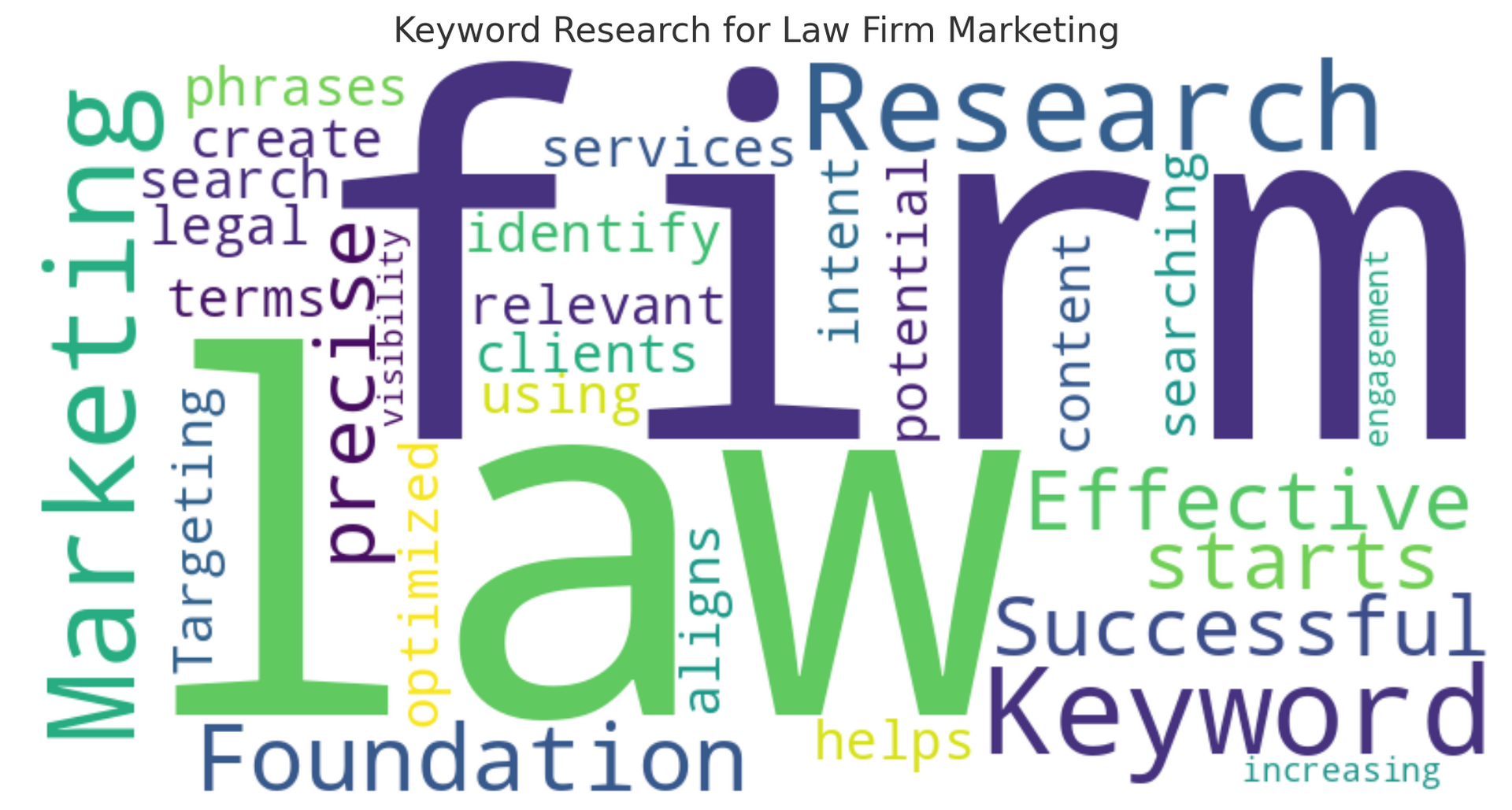
Effective law firm marketing starts with precise keyword research to identify the terms potential clients are using when searching for legal services. By targeting these relevant phrases, law firms can create optimized content that aligns with search intent, increasing visibility on search engines and attracting a more qualified audience.
For example, focusing on location-based keywords, like "family law services in Houston," ensures your marketing efforts resonate with local clients. This strategy also involves analyzing competitors and identifying gaps in their content, allowing your firm to stand out. Integrating well-researched keywords into your website, blogs, and ads forms the backbone of a marketing plan that drives traffic, boosts engagement, and ultimately grows your client base.
Legal Marketing: Building a Strong Online Presence with Advanced SEO Techniques
Legal marketing is no longer limited to traditional outreach; a robust online strategy is essential for modern firms. Optimizing your legal practice with legal SEO techniques ensures your firm is visible to clients actively searching for services. This includes leveraging search engine algorithms to enhance rankings and attract the right audience.
One of the cornerstones of effective SEO is link building, which boosts your website’s authority by connecting it with reputable sources in the industry. Partnering with the best SEO company equips your legal firm with tailored strategies like these, ensuring your marketing efforts yield measurable results. By incorporating these advanced techniques, your legal practice can reach its target audience, build trust, and secure a competitive edge in the digital space.
The Role of Search Engine Optimization in Law Firm Growth
Search engine optimization (SEO) is a vital tool for law firms looking to grow their online presence and attract new clients. By optimizing your law firm’s website for search engines, you increase its visibility on search engine results pages, ensuring that potential clients find your firm when searching for legal services. Effective SEO strategies include keyword research, high-quality content creation, and technical improvements that enhance site performance.
For law firms, search engine optimization is more than just ranking higher—it’s about connecting with the right audience. Targeting relevant legal keywords and optimizing for local SEO can help your firm appear in searches specific to your practice areas and location. With a focused SEO approach, your law firm can establish authority, build trust, and drive consistent organic traffic, ultimately growing your client base.
How a Law Firm SEO Expert Can Transform Your Online Presence
Partnering with a law firm SEO expert can revolutionize how your firm attracts and retains clients online. An SEO expert specializes in optimizing your law firm's website to rank higher on search engine results pages, ensuring your firm is visible to potential clients actively searching for legal services. They employ advanced strategies like keyword optimization, on-site SEO, and link building to boost your site's authority and relevance.
By tailoring their approach to the legal industry, a law firm SEO expert understands the specific needs of attorneys and their target audiences. This expertise translates into a more effective online strategy, helping your firm achieve better visibility, higher organic traffic, and improved client acquisition rates. With their guidance, your firm can focus on delivering exceptional legal services while growing its client base seamlessly.
The Role of Search Engine Marketing in Growing Your Law Firm
Search engine marketing (SEM) is a vital tool for law firms aiming to reach potential clients effectively. Combining strategies like Google Ads and targeted campaigns, SEM ensures that your law firm appears at the top of search engine results pages when users search for legal services. This visibility not only attracts more search engine users but also positions your firm as a trusted authority in the legal field.
When integrated with web design optimized for user experience, SEM can significantly improve how your law firm clients interact with your site. Agencies specializing in nifty marketing strategies, like advanced SEO campaigns and Google Ads management, help firms achieve the best law firm SEO outcomes. With the support of experienced SEO consultants and a professional marketing agency, your law firm can implement tailored strategies to grow its client base and establish a strong foothold in the competitive legal market. Whether you're a small practice or a large legal business, leveraging SEM ensures your efforts are both measurable and impactful.
Crafting Effective Lawyer Website Designs for Client Engagement
A well-designed lawyer website is essential for establishing credibility and attracting potential clients. Modern lawyer website design focuses on combining professional aesthetics with user-friendly navigation to create a seamless experience for visitors. Elements such as clear calls-to-action, mobile responsiveness, and intuitive layouts ensure that users can easily find the information they need while building trust in your legal expertise.
At Masterly Tech Group, we understand the importance of website design tailored specifically for law firms. Our team creates visually appealing, functional websites that showcase your practice areas, highlight client success stories, and integrate SEO strategies to maximize online visibility. Elevate your firm's online presence with a website that not only informs but also converts visitors into clients.

How Legal Marketing Firms Drive Client Growth
Legal marketing firms play a vital role in helping law practices expand their client base and increase visibility in a competitive landscape. These firms specialize in crafting tailored strategies that combine SEO, content creation, and digital advertising to connect law firms with their ideal audience. By leveraging the expertise of a legal marketing firm, practices can enhance their online presence and effectively reach potential clients.
At Masterly Tech Group, we specialize in providing comprehensive solutions for law firms looking to grow their client base. Our services include SEO optimization, targeted content marketing, and reputation management, all designed to position your firm as a trusted leader in the legal industry. Let us help your law practice thrive with innovative strategies that deliver measurable results.
Effective Website Marketing for Attorneys: Turning Visitors Into Clients
Website marketing for attorneys is essential for building a strong online presence and converting visitors into clients. A well-optimized website serves as the foundation for your digital marketing efforts, showcasing your expertise and making it easy for potential clients to find and contact you. Key elements include SEO strategies, engaging content, and clear calls-to-action that guide visitors through the decision-making process.
At Masterly Tech Group, we specialize in creating tailored website marketing strategies for attorneys, ensuring your site ranks high on search engines while delivering a professional user experience. From enhancing your website’s design to integrating effective SEO and content marketing, we help attorneys attract and retain clients in a competitive market. Let us elevate your online presence with proven strategies that deliver results. Contact us today to learn more!
Partnering with a Marketing Agency for Lawyers: Unlocking Growth Opportunities
A specialized marketing agency for lawyers provides the expertise needed to attract potential clients and grow your legal practice. These agencies understand the unique challenges law firms face in standing out in a competitive market and offer tailored strategies, including SEO services, content marketing, and social media management. With a focus on boosting your firm's online presence and credibility, the right marketing agency can help drive consistent client acquisition.
At Masterly Tech Group, we specialize in marketing solutions designed specifically for legal professionals. From lawyer website design to targeted campaigns for specific practice areas like employment law or personal injury law, we deliver measurable results. Let us help your firm achieve its full potential with customized marketing strategies that set you apart. Contact us today to get started!
Finding the Best SEO Company for Lawyers: Elevating Your Practice Online
Choosing the best SEO company for lawyers can make a significant difference in your firm's online visibility and client acquisition. An experienced SEO partner will tailor strategies to the unique needs of law firms, ensuring your website ranks highly on search engine results pages (SERPs) and attracts the right audience. From keyword research to link building, the best companies focus on driving traffic, improving credibility, and increasing conversions.
Masterly Tech Group stands out as a trusted partner for law firms seeking results-driven SEO services. Our expertise in legal marketing, local SEO, and on-page optimization positions your firm for long-term success in a competitive digital landscape. Contact us today to discover how we can help your firm dominate the online search space.
Contact Us for Expert Law Firm SEO Services
At Masterly Tech Group, we specialize in delivering tailored SEO strategies that help law firms achieve their business goals. From website optimization to local SEO and content marketing, our comprehensive services are designed to attract potential clients and grow your legal practice. Contact us at (888) 209-4055 to book a free consultation and learn how we can transform your law firm's online presen