SMS Marketing for Small Business: How to Start Safely
SMS marketing for small business means sending text messages to customers who have agreed to receive them. Done well, SMS marketing is a direct, short and timely way to share appointment reminders, order updates, offers and news. Done poorly, it creates unwanted messages, complaints and legal risk. This guide explains how SMS marketing works, how to start safely, how to get consent, what to send, and how to measure results.
If your lead follow up is still disorganized, fix that first. Masterly Tech Group's pages on sales automation services and marketing automation consulting explain how to set up a cleaner workflow before adding new channels.
What Is SMS Marketing?
SMS marketing, also called text marketing or business SMS, is the practice of sending marketing messages and service messages to a customer's mobile phone number. SMS stands for short message service, the standard behind ordinary text messages. A small business uses SMS marketing campaigns and text message marketing to reach customers who have opted in, using a sms marketing platform or sms marketing software that manages the sms subscriber list, sends sms messages and records consent.
Two types of messages matter:
- Promotional messages. Sales, offers, early access, new product announcements and other marketing messages. These need clear consent.
- Transactional messages. Transactional sms messages include order confirmations, shipping updates, password codes and appointment reminders. They support something the customer already asked for.
Keep the two separate in your planning. Rules for promotional text messages are stricter, and customers react differently to each type.
Is SMS Marketing Right for Your Small Business?
SMS marketing for small business works best when your customers already use their phones to book, order or ask questions. Typical fits include salons, clinics, restaurants, home service companies, fitness studios, retail shops and professional offices. Consider SMS if:
- Time sensitive messages matter, such as a same day opening or a schedule change.
- You want to reduce no shows with reminders.
- You have a list of customers who have given you their phone number and agreed to hear from you.
- You can respond to replies quickly.
SMS may be a poor fit if you have no process for answering replies, no clear consent record, or no real reason to send a message. In those cases, email marketing or other marketing channels may be a better first step.
Understand the Rules Before You Send
Consent is the center of safe SMS marketing. The Telephone Consumer Protection Act, known as the TCPA, is the federal law that governs many calls and texts to consumers. The Federal Communications Commission (FCC) enforces it. According to the FCC's consumer guide on stopping unwanted robocalls and texts, commercial texts require written consent, and consent can be given on paper or through electronic means, including website forms. The FCC also states that a person may opt out of any robotext at any time and in any reasonable manner, even after giving consent.
In practice, that means:
- Get explicit consent before you send marketing messages. Explicit written consent, such as a checked box on a form with clear language, is the safer practice.
- Tell people what they are signing up for, how often you will message them and that message and data rates may apply.
- Honor opt out requests promptly, and include simple instructions such as "Reply STOP to opt out."
- Keep records of when and how each person opted in.
State laws and carrier rules also apply, and they change. This article is general information and not legal advice. Review your program with a qualified attorney before you send your first campaign.
Why Small Businesses Use Text Message Marketing
Small businesses often have limited marketing tools and time, so a channel that reaches customers quickly can help. A text message is short, and most people read a text message soon after it arrives. For small businesses, SMS marketing campaigns can support long term customer relationships by keeping the business visible between visits. Used with other marketing channels, SMS marketing strategy can support your wider marketing strategy and marketing efforts without replacing email or your website. Marketing for small businesses is rarely about one channel, so decide how SMS marketing messages and your other marketing campaigns will work together. Send SMS messages only to people who invite customers to contact them this way, and treat the sms subscribers on your list as a privilege, not a right.
SMS Marketing Best Practices
These best practices keep SMS marketing campaigns useful for your customers:
- Send the right message. Match each text message to what the customer asked for or booked. The same message sent to everyone usually performs worse than a message sent to a relevant group.
- Use personalized messages. SMS personalization such as a first name, a service or an appointment time helps customers see why they received the message.
- Offer clear value. A promo code or discount code should state its terms and end date. Customers respond to a clear offer, not a vague one.
- Use automated messages with care. Automated messages such as confirmations and reminders save time, but review them regularly so they stay accurate.
- Keep your subscriber list clean. Remove numbers that opt out or bounce, and let customers opt in again if they choose.
- Follow the customer lifecycle. A welcome message, a reminder, a thank you and a win back message each fit a stage of the customer lifecycle and can support customer lifetime value.
- Watch SMS performance. Track results, test one change at a time and let customers respond in the way they prefer.
Choose marketing tools that fit your size. A small shop may need only a simple sms marketing platform and a spreadsheet to track consent. Commercial messaging rules apply to businesses of every size.
How to Get Opt-Ins
An SMS opt in is the step where a customer agrees to receive texts. Common ways to collect it include:
- Sign up forms. Add a phone number field and a consent checkbox to your website contact form or checkout.
- Website pop ups. A simple pop up can invite visitors to join your sms list. Keep the consent language visible.
- Text to join. Customers text a keyword to a number you display.
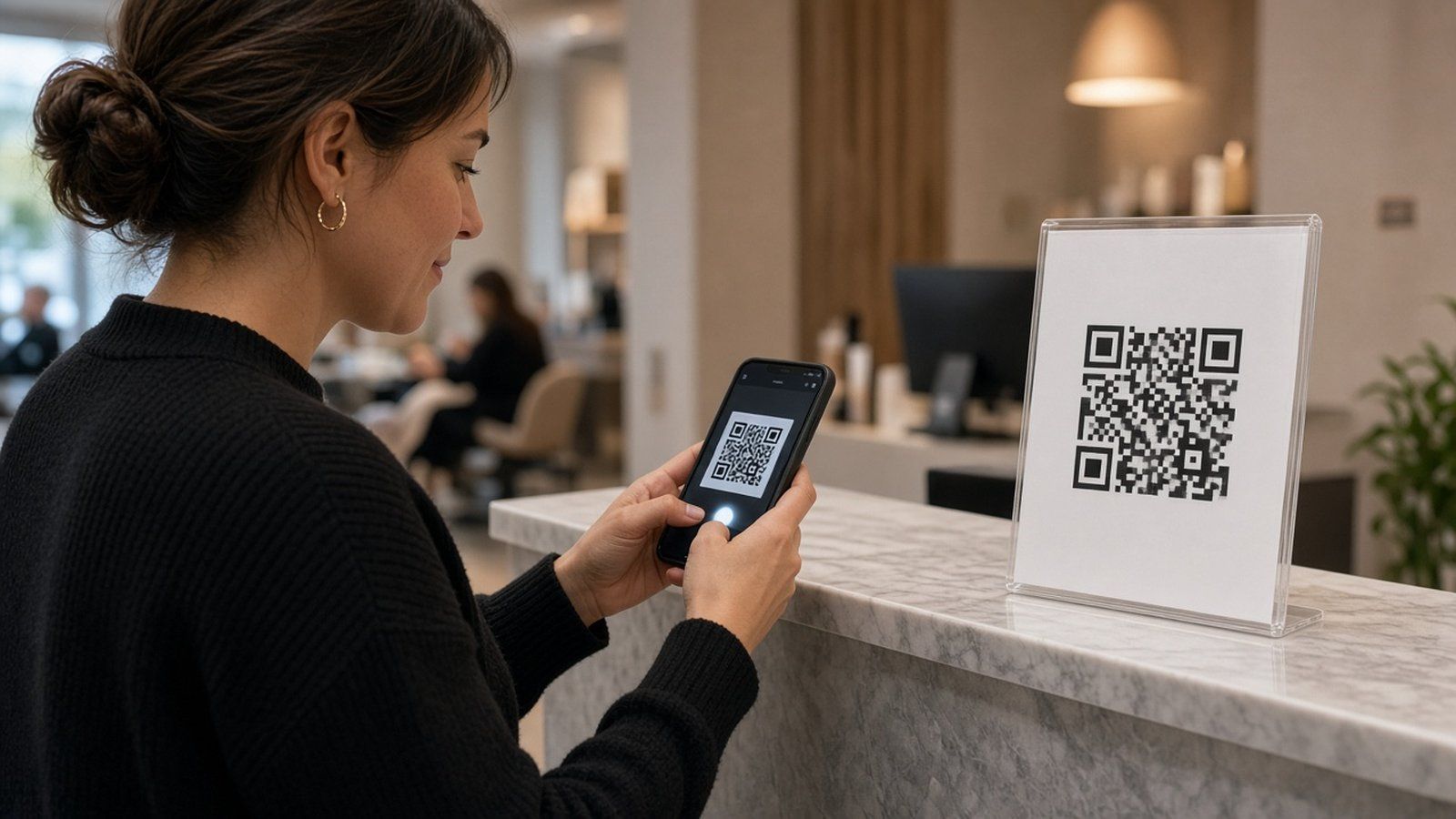
- QR codes. A QR code on a counter sign, receipt or flyer can open a sign up page.
- In person. Staff can ask customers at the point of sale and record consent in your system.
Double opt in
A double opt in process sends a confirmation text after the first sign up, and the customer replies to confirm. It adds one step, but it confirms that the phone number belongs to the person who signed up and gives you a stronger record of consent. Many businesses use double opt in to keep their list clean.
Example opt-in language
"Yes, send me text messages from [Business Name] about appointments, offers and news. Message frequency varies. Message and data rates may apply. Reply STOP to opt out. See our privacy policy."
Adjust the wording to match what you actually send, and have it reviewed for your situation.
What to Send: SMS Marketing Strategy Basics
A good sms strategy starts with a purpose for each message. Common sms campaigns for small business include:
- Welcome message. Confirm the signup and say what to expect.
- Appointment reminders. Confirm date, time and how to reschedule.
- Order and service updates. Share status changes and delivery windows.
- Offers and early access. Share promotions with a clear end date and terms.
- Review requests. Ask recently served customers for feedback.
- Win back messages. Reach customers who have not visited in a while.
Write each message to be short and clear. Include your business name, the reason you are writing and one next step. Use personalized messages, such as the customer's first name or the service they booked, when you have accurate data. Avoid sending multiple messages in a row on the same topic.
How Often Should You Send Texts?
There is no single correct frequency. Start low, such as a few promotional messages per month, and watch your opt out rate and replies. Customers are more tolerant of transactional messages tied to a booking than of repeated promotions. Send at reasonable hours for your customers' time zones, and avoid late evening and early morning messages.
Choose an SMS Marketing Platform
Compare sms marketing services and sms platform options on these points:
- Consent capture and record keeping
- Automatic handling of STOP and HELP replies
- Contact list management and segmentation
- Two way messaging, so your customer service team can reply
- Integration with your CRM, booking system or store
- Reporting on delivery, clicks and opt outs
- Support for local number registration that carriers require
Ask any vendor how its tools help you follow carrier and legal requirements, and keep the responsibility for your list and your messages. Look for clear terms on how customer data is stored and used.
Connect SMS to the Rest of Your Marketing
SMS works best as one part of a larger customer journey, not as a stand alone tool. Think about how text marketing fits with email marketing, your website and your phone calls. For example, a booking confirmation email can include an invitation to receive text reminders, and a text reminder can link to a page where customers reschedule. Integrate sms with your CRM so customer behavior, purchase history and consent status stay in one place. That helps you avoid sending marketing messages to people who have opted out, and it supports customer engagement over time.
Measure SMS Marketing Success
Track a small set of numbers for each campaign:
- Opt in rate. How many visitors who see your sign up form join.
- Delivery rate. How many messages reach a phone.
- Opt out rate. How many recipients unsubscribe after a message.
- Click through or reply rate. How many act on the message.
- Outcomes. Appointments kept, orders placed or reviews received.
Compare results against your own earlier campaigns instead of general benchmarks, because industry and list quality vary. If opt outs rise, shorten your messages, send less often or review whether the list matches the message.
Common SMS Marketing Mistakes
- Texting people who never agreed to receive messages
- Buying or renting phone number lists
- Forgetting to include opt out instructions
- Sending too many marketing messages
- Using a personal phone instead of a business platform
- Ignoring replies from customers
- Not keeping consent records
Frequently Asked Questions About SMS Marketing
What is an SMS opt-in?
An SMS opt-in is a customer's agreement to receive text messages from your business. It should be clear, specific and recorded.
How do I opt in for text messages?
Customers usually opt in through a form, a text to join keyword, a QR code or a request at the point of sale. Some businesses use a double opt in to confirm.
What does "Reply STOP to opt out" mean?
It tells the recipient how to unsubscribe. When a customer replies STOP, your system should mark the number as opted out and stop sending marketing messages.
How do you do SMS marketing?
Choose a platform, collect consent, write short and useful messages, send them at reasonable times, honor opt outs and track results.
Is SMS marketing still effective?
SMS can work well for time sensitive and local messages when customers have opted in. Results depend on your list, your offers and how often you send, so test and measure your own campaigns.
Plan Your First SMS Program
Before you launch, define your goal, your consent process and the messages you will send, and decide who will reply to customers. If you want help connecting text messages with your lead follow up and reporting, contact Masterly Tech Group.