Why Every Real Estate Agent Needs a Professional Website
In today’s digital-first world, a professional website is no longer optional for real estate agents—it’s essential. As the real estate industry evolves, potential clients expect seamless online experiences, making your website the cornerstone of a winning SEO strategy and your marketing efforts. For real estate professionals aiming to stand out, investing in a high-quality website designed for performance, search engine optimization, and user engagement is the key to building trust and attracting more clients.
The Role of a Professional Website in Real Estate Success
A professional website serves as a digital storefront for your real estate business. It’s the first impression for many potential clients and sets the tone for your expertise and professionalism.
Key Benefits of a Professional Website:
- Builds Trust: A polished, user-friendly site demonstrates professionalism.
- Increases Online Visibility: With proper real estate SEO strategies, your website can rank higher on search engine results, attracting more qualified leads.
- Showcases Listings Effectively: Features like property search tools, video content, and interactive maps provide an exceptional home search experience.
- Drives Website Traffic: Strategic integration of relevant keywords, title tags, and high-quality content boosts visibility on google search results.
Why Real Estate SEO is Vital for Your Website
Having a website is only half the battle; optimizing it with a winning SEO strategy ensures it works to bring in more clients and drive high-quality leads.
What is Real Estate SEO?
Real estate SEO focuses on tailoring your site to rank higher on google search results, making it easier for potential clients to find you. This includes optimizing your site’s structure, technical SEO, and content creation to appeal to both search engines and users.
Benefits of Real Estate SEO:
- Generates More Leads: By ranking for long-tail keywords like “homes for sale in [specific location],” you can attract home buyers actively searching for properties.
- Builds Brand Awareness: With a strong search engine optimization strategy, your name becomes synonymous with reliable real estate services in your area.
- Enhances Local Presence: Leveraging local SEO strategies ensures your business appears in searches like “realtors near me.”

Features of a Successful Real Estate Website
Your website should be more than just visually appealing—it must also be functional, user-friendly, and optimized for search engine rankings.
Essential Features to Include:
- Mobile Optimization: Ensure your site is accessible on all devices for a seamless user experience.
- Property Listings: Integrate MLS feeds for up-to-date property data.
- Landing Pages: Create custom pages for specific property types or locations.
- High-Quality Content: Offer blogs, guides, and real estate topics to engage users.
- SEO Best Practices: Incorporate technical optimization, link building, and keyword research to improve rankings.
How Masterly Tech Group Can Help
At Masterly Tech Group, we specialize in designing real estate websites that not only look great but also deliver measurable results. Our comprehensive approach combines real estate SEO services with cutting-edge design to help your real estate business thrive.
Our Process:
- Consultation and Planning: We understand your goals and target audience.
- Design and Development: Our team creates a website tailored to your brand.
- SEO Strategy: From content creation to link building, we implement the latest SEO strategies.
- Ongoing Support: Our team of SEO experts ensures your site remains optimized as trends evolve.
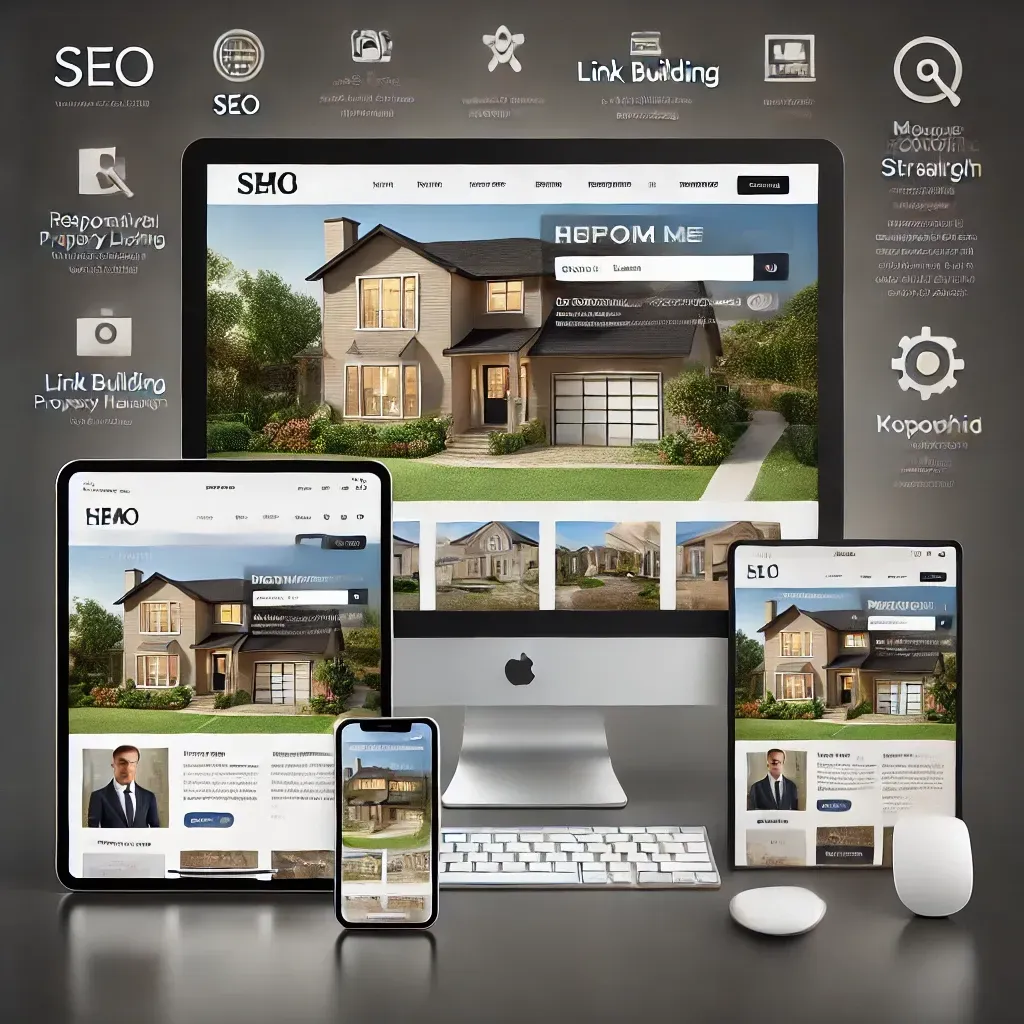
Real Estate SEO: A Game-Changer for Agents
By partnering with a real estate SEO company like Masterly Tech, agents can maximize their online visibility and attract more leads.
Why Choose a Real Estate SEO Agency?
- Expertise in the Real Estate Industry: Our team understands the unique challenges and opportunities in the field.
- Customized SEO Strategies: We tailor solutions to fit your business goals.
- Proven Results: From increasing website traffic to improving search engine rankings, we help you achieve measurable success.
Steps to Get Started with Masterly Tech Group
If you’re ready to elevate your real estate business, let Masterly Tech Group guide you. Our services are designed for realtors, small businesses, and real estate agencies looking to grow their online presence.
Here’s How to Begin:
- Contact us for a free consultation.
2. Share your goals and current challenges.
3. Watch as we transform your online presence with a strategic approach.
Why a Professional Website is Essential for Your Real Estate Company’s Growth
In the competitive real estate industry, a professional website is a non-negotiable asset for any real estate company or real estate firm looking to establish a strong online presence. It acts as the foundation of your digital marketing efforts, ensuring your brand stands out among competitors and connects with potential clients effectively.
Key Advantages for Real Estate Businesses:
- Leverage Your Google Business Profile: Integrating your Google Business Profile with a well-optimized website helps boost visibility in local searches and ensures your business is easily found by potential clients.
- Stay Ahead with SEO for Real Estate: Utilizing advanced SEO strategies tailored for real estate ensures your website ranks on the first page of search results, driving organic traffic and qualified leads.
- High-Quality Website Content and Backlinks: Engaging website content paired with quality backlinks helps establish authority and improves search engine rankings, keeping you aligned with the latest trends in digital marketing.
- Collaborate with Digital Marketers: Partnering with experienced digital marketers ensures your real estate firm can implement data-driven strategies to increase engagement and conversions.
By focusing on these aspects, a professional website not only enhances your brand but also attracts more leads, helping your business grow in a fast-paced market.

Real Estate SEO Services: The Key to Driving Traffic and Leads
Investing in real estate SEO services is one of the smartest moves a real estate company or real estate firm can make to grow their online presence. These services are designed to optimize your website, ensuring it ranks higher on search engines and attracts the right audience. With the help of a trusted real estate SEO agency, you can turn your website into a lead-generation powerhouse.
Why Real Estate SEO Services Matter:
- Targeted Visibility: Customized SEO strategies help your website appear for searches like “homes for sale in [location],” driving highly qualified traffic.
- Enhanced Search Engine Performance: A professional real estate SEO agency can refine your site’s structure, content, and local targeting to improve rankings.
- Increased Leads: By leveraging tools like keyword research and optimizing your Google Business Profile, these services ensure your site draws in home buyers actively searching for properties.
When done right, real estate SEO services don’t just drive traffic; they convert visitors into leads, helping your real estate business thrive in a competitive market.
Partner with a Real Estate SEO Company to Boost Your Online Presence
Working with a real estate SEO company is essential for agents and firms looking to dominate the digital landscape. A skilled team of real estate SEO experts can help you create and implement strategies that enhance your visibility on search engines and attract qualified leads to your website.
Benefits of Hiring Real Estate SEO Experts:
- Tailored Strategies: SEO professionals craft custom plans that align with your business goals and target audience.
- Expert Keyword Optimization: With deep expertise in real estate SEO, they focus on optimizing your site with relevant keywords to rank higher on search engines.
- Technical Excellence: From page speed to mobile optimization, a real estate SEO company ensures your website meets the technical requirements for better rankings.
By collaborating with real estate SEO experts, you gain the advantage of proven strategies that help you connect with more clients and grow your real estate business effectively.
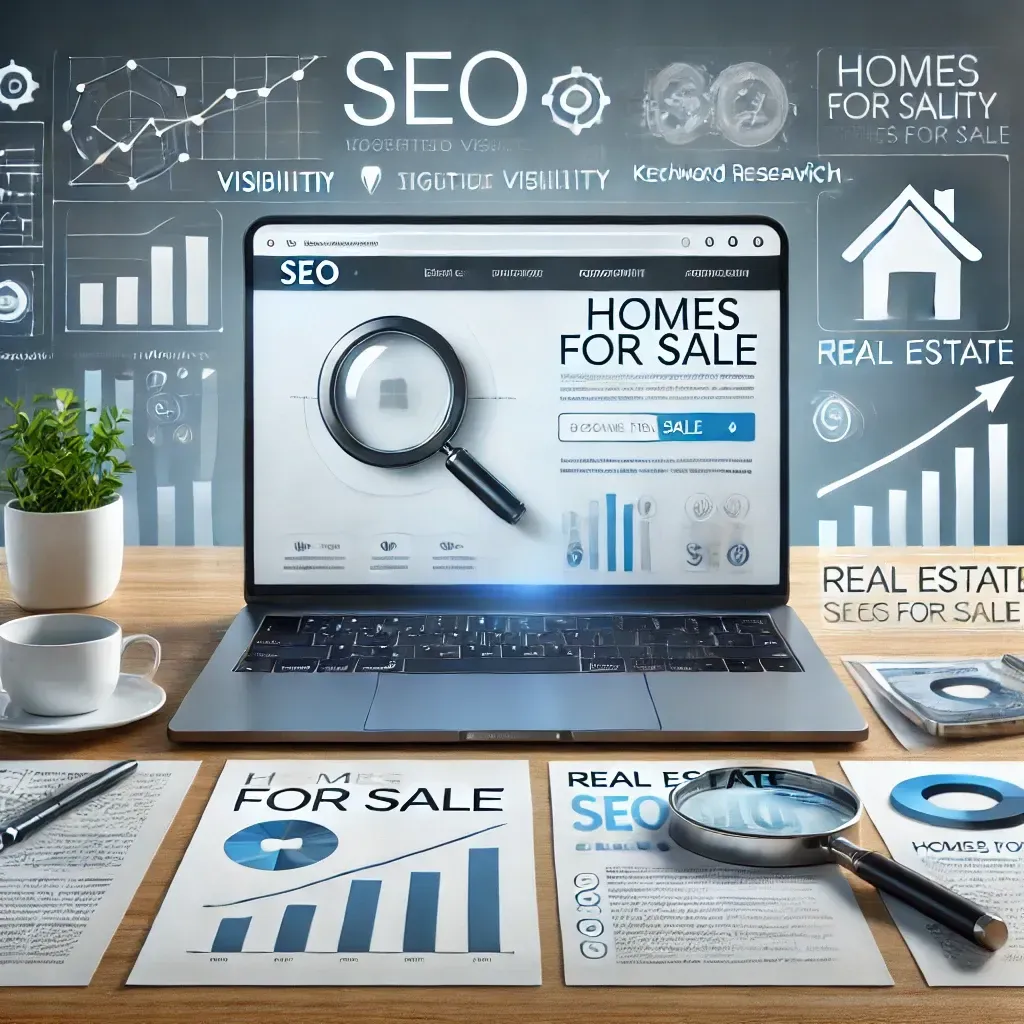
How a Professional Website Enhances Your Real Estate Services
In the highly competitive real estate industry, offering exceptional real estate services is only part of the equation. To stand out, your business needs a professional website that showcases your expertise and connects with potential clients.
A well-designed website acts as a hub for your real estate services, allowing you to:
- Highlight your property listings with high-quality visuals and detailed descriptions.
- Provide clients with easy access to tools like mortgage calculators and home search features.
- Establish credibility through client testimonials, high-quality content, and an intuitive user experience.
With a professional website tailored to your real estate services, you can build trust, generate more leads, and position your business as a go-to resource in your market.
SEO Services and Technical SEO: A Winning Combination for Real Estate Websites
To maximize your website's potential, investing in SEO services is crucial. These services ensure that your site ranks higher in search engine results, making it easier for potential clients to find your real estate business. A key component of effective SEO is technical SEO, which focuses on optimizing the backend of your website for peak performance.
Benefits of SEO Services for Real Estate:
- Improved Visibility: High-quality SEO services help your site appear at the top of search results, increasing your chances of attracting qualified leads.
- Enhanced User Experience: Technical SEO ensures your website is fast, mobile-friendly, and free of errors that can hurt rankings.
- Increased Website Traffic: By targeting the right keywords and improving your site's structure, SEO drives more visitors to your real estate website.
When you combine technical SEO with broader SEO services, you create a comprehensive strategy that strengthens your online presence, builds trust with clients, and delivers measurable results for your real estate business.
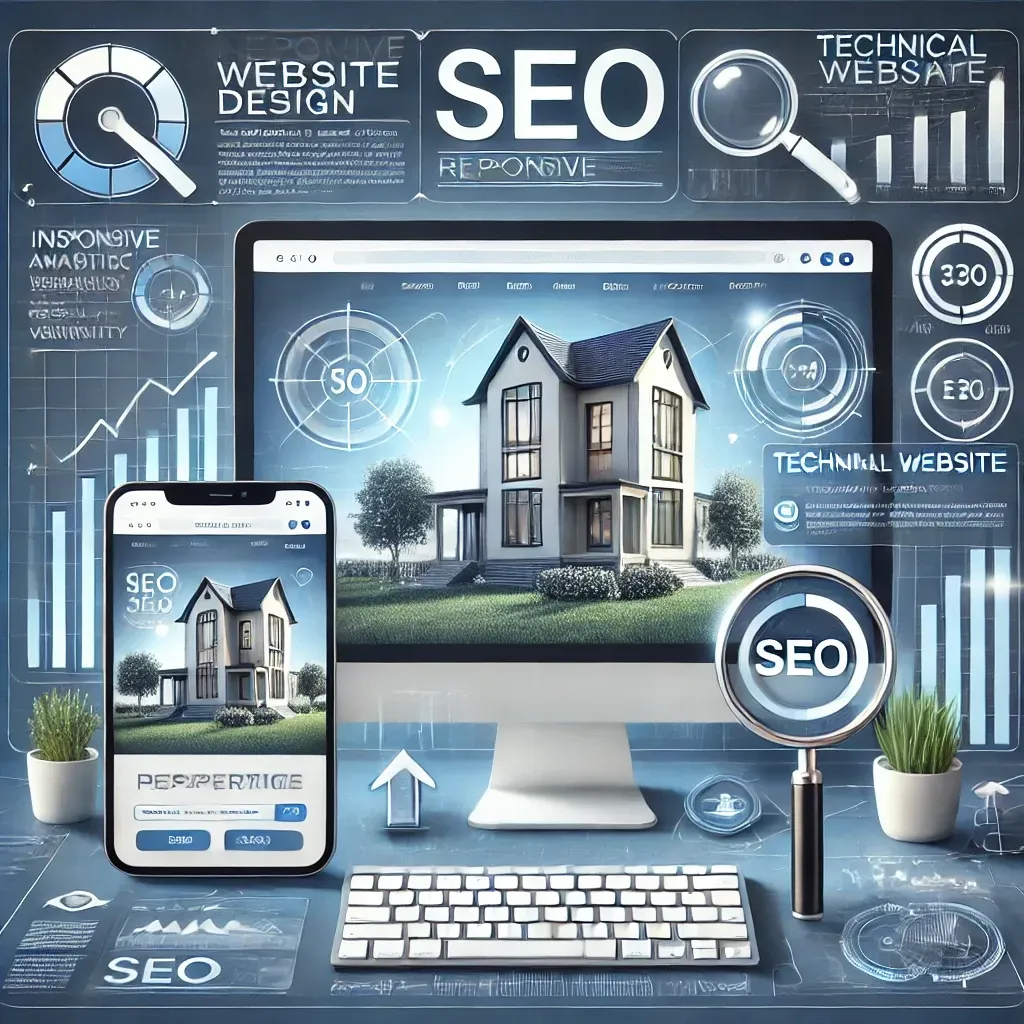
Why Search Engine Optimization is Crucial for Real Estate Websites
Search engine optimization (SEO) is the backbone of a successful digital presence for any real estate business. By optimizing your website to rank higher on search engine results, you increase its visibility and attract more potential clients actively searching for real estate services.
Key Benefits of Search Engine Optimization for Real Estate:
- Improved Rankings: SEO ensures your site appears prominently in searches, especially for high-intent keywords like “homes for sale in [location].”
- Enhanced User Engagement: Proper SEO techniques, such as high-quality content and optimized site structure, make your site more engaging for visitors.
- Better Lead Generation: SEO strategies drive qualified leads to your website, ensuring that your marketing efforts are reaching the right audience.
Investing in search engine optimization tailored to the real estate industry helps your website not only attract traffic but also convert visitors into clients, making it an indispensable tool for growth.
How a Professional Website Benefits Your Real Estate Agency
A professional website is a game-changer for any real estate agency looking to expand its reach and attract more clients. In today’s digital era, potential buyers and sellers often begin their journey online, and your website serves as the first impression of your agency’s expertise and reliability.
Why Every Real Estate Agency Needs a Website:
- Showcase Your Listings: A well-optimized website allows your real estate agency to display properties in an engaging and organized way, complete with filters for location, price, and features.
- Build Credibility: A professional website reinforces trust and positions your agency as an authority in the market.
- Enhance Lead Generation: With strategic integration of real estate SEO and user-friendly design, your website can attract and convert potential clients more effectively.
For a real estate agency, a professional website is not just a marketing tool—it’s a vital asset that connects you with buyers, sellers, and home buyers, helping you stand out in a competitive market.
The Role of Keyword Research in Real Estate SEO Success
Keyword research is a cornerstone of any effective real estate SEO strategy. By identifying the terms and phrases potential clients use when searching for properties or real estate services, you can optimize your website to rank higher in search engine results and attract the right audience.
Benefits of Keyword Research for Real Estate:
- Targeted Traffic: By focusing on relevant keywords such as “homes for sale in [specific location],” your website can draw visitors with high purchase intent.
- Improved Search Engine Rankings: Incorporating researched keywords into your website’s content, title tags, and landing pages boosts your visibility in google search results.
- Enhanced Content Strategy: Effective keyword research helps guide your content creation, ensuring your website provides answers to common client queries.
For real estate agents and agencies, understanding and implementing keyword research ensures that your website aligns with the needs of your audience, driving both more leads and increased engagement.

SEO for Real Estate: Transforming Your Online Presence
SEO for real estate is the key to unlocking growth in an increasingly competitive market. With so many buyers and sellers beginning their journey online, ensuring your website ranks prominently on search engine results is essential for attracting and retaining clients.
Why SEO for Real Estate is Important:
- Boost Online Visibility: Customized SEO strategies ensure your website appears in searches like “real estate agents near me” or “homes for sale in [specific location].”
- Attract More Clients: With targeted optimizations, SEO for real estate drives qualified leads to your website, increasing the likelihood of conversions.
- Stay Competitive: As the real estate industry becomes more digitally focused, implementing SEO for real estate ensures your business stays relevant and accessible.
By leveraging real estate SEO services, your business can build a strong online presence, rank higher, and ultimately connect with more potential clients. Investing in SEO isn’t just an option; it’s a necessity for long-term success in real estate.
Why Realtors Need a Professional Website Backed by SEO
For realtors, having a professional website is no longer just a luxury—it’s a necessity. In today’s digital-first world, your website serves as the foundation for reaching potential clients, showcasing listings, and establishing your expertise in the real estate industry.
How Realtors Benefit from a Professional Website with SEO:
- Build Credibility: A polished website helps realtors demonstrate professionalism and gain the trust of clients.
- Showcase Listings: With optimized real estate websites, realtors can effectively display property details, photos, and virtual tours.
- Attract Qualified Leads: By incorporating real estate SEO strategies, your website can draw buyers and sellers actively searching for properties or real estate services.
Partnering with a real estate SEO agency ensures that realtors not only have a great website but also one that ranks higher in search engine results, driving more leads and boosting their business.
How SEO Agencies Can Transform Your Real Estate Business
Partnering with professional SEO agencies is one of the best ways to elevate your real estate business. These experts specialize in implementing strategies that optimize your website, increase visibility, and drive more traffic to your real estate websites.
Why Real Estate Agents Should Work with SEO Agencies:
- Expert Guidance: SEO agencies are equipped with the tools and knowledge to identify the best real estate SEO strategies for your business.
- Comprehensive Services: From keyword research to technical SEO, they handle every aspect of improving your website’s performance.
- Results-Driven Approach: By focusing on improving search engine rankings, SEO agencies help your business attract more qualified leads and clients.
Collaborating with skilled SEO agencies ensures that your business stays competitive in the digital landscape, giving you the tools and expertise needed to thrive in the real estate industry.
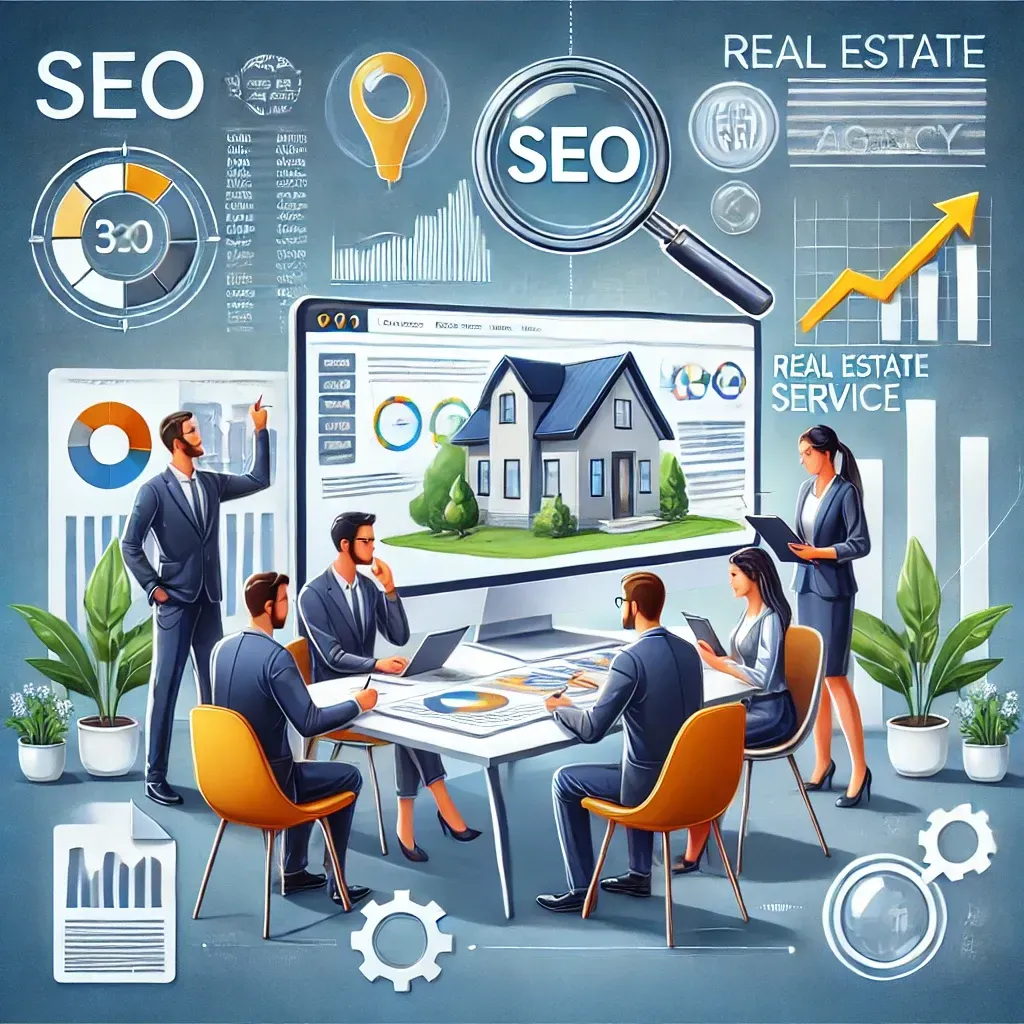
How a Professional Website for Real Estate Agents Maximizes the Impact of Architectural Photography
A well-designed website for real estate agents is crucial for showcasing stunning architectural photography that can elevate property listings and drive faster sales. Combining high-quality visuals with a professional website ensures that your listings stand out in a crowded market and attract the attention of potential buyers.
Key Benefits:
- Showcase Architectural Details: A dedicated website provides an ideal platform to highlight unique design features through impactful photography.
- Boost Buyer Engagement: By integrating visually striking images into your website, you can create an immersive experience that keeps visitors engaged.
- Drive Sales Efficiency: A professional website for real estate agents with user-friendly navigation and captivating visuals speeds up the decision-making process for potential buyers.
Architectural photography, paired with a powerful website, turns your listings into compelling visual stories, helping you close deals faster and grow your business.
Why Partnering with a Real Estate Digital Marketing Agency is Key to Success
Collaborating with a real estate digital marketing agency can transform your approach to online property promotion. These agencies specialize in integrating advanced marketing strategies with your website and listings, ensuring your brand reaches the right audience effectively.
How a Real Estate Digital Marketing Agency Adds Value:
- Tailored Strategies: Agencies craft custom plans combining architectural photography, SEO, and content to elevate your online presence.
- Maximized Reach: By leveraging platforms like social media, email campaigns, and Google Business Profiles, they ensure your listings get noticed.
- Expert Execution: From driving website traffic to boosting conversions, a digital marketing agency uses proven techniques to grow your business.
For real estate professionals, working with a dedicated real estate digital marketing agency ensures your efforts are not only impactful but also aligned with industry trends to secure faster sales and lasting success.
Call to Action: Contact Us Today
Your website is the foundation of your success in the real estate industry. At Masterly Tech Group, we’re committed to helping real estate agents achieve their goals through innovative website design and real estate SEO services.
Whether you’re looking to build a new site or optimize an existing one, our team of real estate SEO experts is here to help. Contact us at (888) 209-4055 to schedule your free consultation and start attracting potential clients today. Let us show you how a professional website and a customized SEO strategy can take your business to the next level.